Seaweed for health: the green superfood
30. April 2026

Seaweed at a glance—the essentials
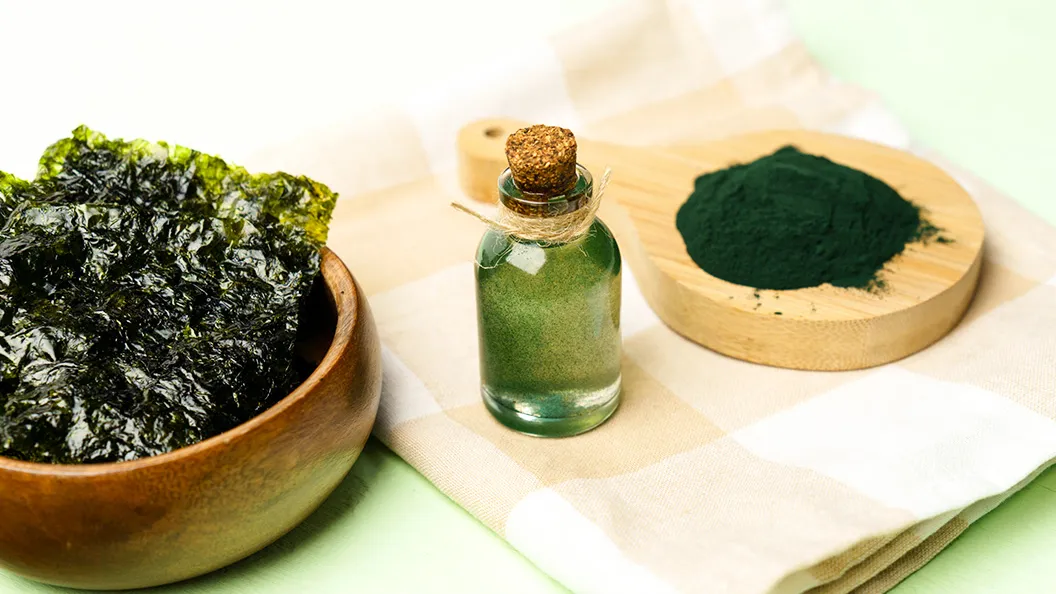
Seaweed grows in both salt water and fresh water. It plays a vital role in ecosystems and serves as food for marine life, but it's also eaten by humans and even used as a base for cosmetics. Not all seaweed is the same, though. There are two main types: microalgae and macroalgae.
Microalgae are microscopic and usually sold as supplements in powder or tablet form. In the West, microalgae such as spirulina and chlorella are already familiar—often found in smoothies or detox shots.
Macroalgae, on the other hand, are much larger and typically used whole rather than powdered. Unlike microalgae, they're less of a supplement and more of a direct cooking ingredient—whether in soups, sushi, salads, stocks or sauces.
Micro or macro, both types have their place in food service and can be put to good use in versatile ways.
Beyond adding variety to the menu, seaweed is a genuine superfood. It filters nutrients from the water and delivers iodine, omega-3 fatty acids and a low calorie count, along with valuable fibre, minerals, vitamins and plant-based protein. These properties are said to support digestion, boost the immune system, promote heart health and have anti-inflammatory effects. With both types, however, moderation is important—too much of a good thing can tip the balance. Due to its high iodine content, the German Nutrition Society (DGE) recommends only around one gram of seaweed per day. But even in such small amounts, it can be used in surprisingly versatile ways on your menu.
Which types of seaweed are edible?
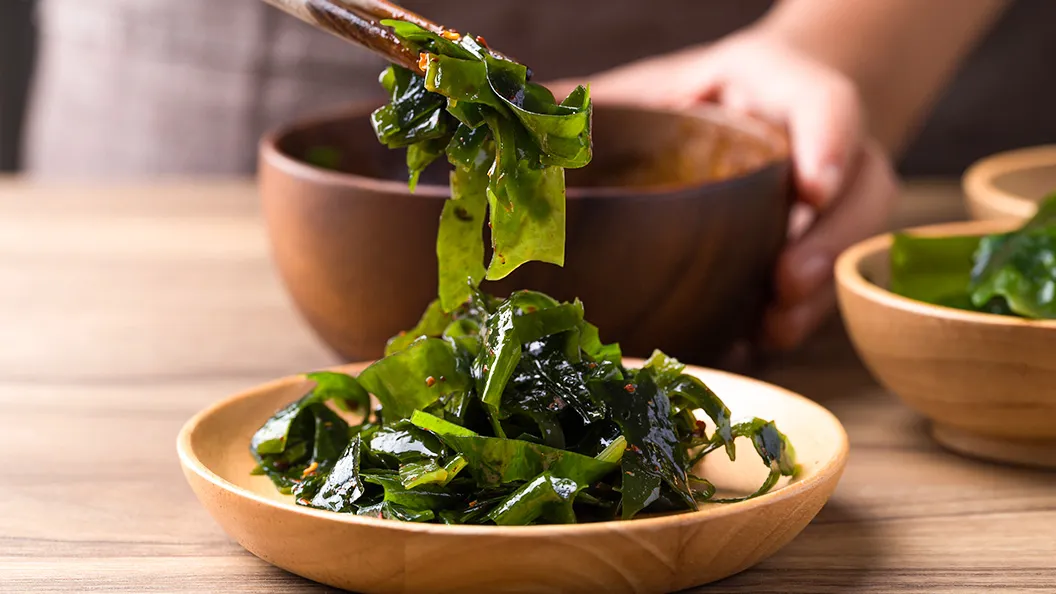
Macroalgae are particularly versatile in food service. Unlike powdered microalgae, macroalgae can be used directly in dishes, where they immediately influence flavour and texture. What makes them particularly interesting for professional kitchens—beyond their impressive nutritional profile—is their natural umami taste. This makes all the difference in soups, stocks and sauces, opening up countless possibilities. In meat-free menus especially, seaweed is an excellent way to bring umami into dishes. Kikkoman sauces work well here too, their natural flavours providing an animal-free and even more intense umami boost.
- Wakame: This thread-like seaweed is mild and slightly sweet. It has a soft bite and works a treat in seaweed salads, miso soups or poke bowls.
- Nori: These roasted, usually rectangular sheets have a nutty umami flavour and are best known for their use in sushi or as a topping on soups. Their dry texture also makes them ideal as finger food.
- Kombu: Bold and intensely umami in flavour. Its strength makes it particularly well suited to broths and stocks. The firm, elastic leaves are ideal for releasing aroma without falling apart.
- Sugar kelp: A local—and therefore more sustainable—alternative. This slightly sweet, crisp and elastic seaweed also grows in European waters and is excellent in salads, smoothies or seaweed pestos.
Cooking with seaweed in restaurants
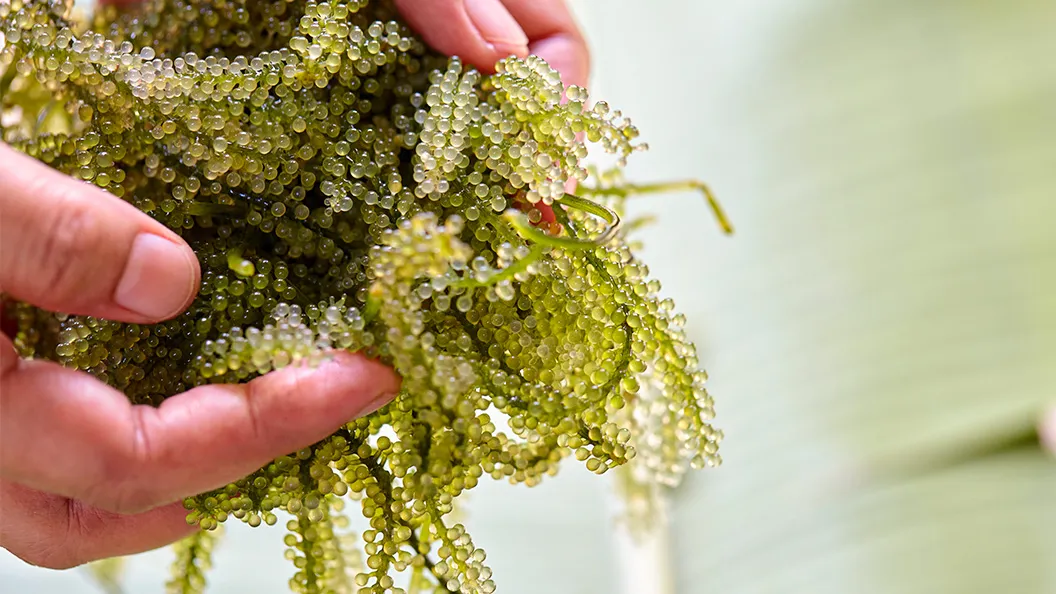
For professional kitchens, handling seaweed correctly is essential to ensure both flavour and safety. Macroalgae can be bought fresh or as dried sheets. Dried seaweed should be washed thoroughly and soaked for a few minutes before use to bring out its typical texture and colour.
When sourcing, pay close attention to quality. Seaweed filters not only valuable nutrients from the water but unfortunately also potential contaminants such as heavy metals or pesticides. Certified organic products are the safest choice here.
While Asian restaurants tend to use seaweed in traditional, classic ways—sushi rolls, salads, soups—there's far more scope in the European market to get creative and unconventional, freshening up the menu.
The future of seaweed in Europe
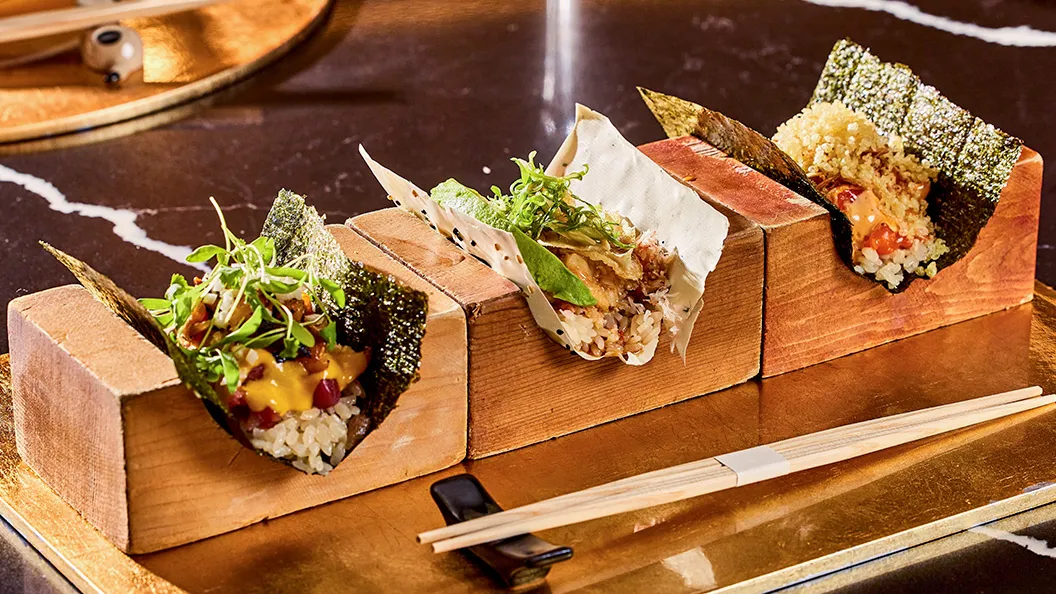
Seaweed is not only healthy but also sustainable. It has an excellent ecological footprint, requiring fewer resources than conventional crops: no farmland, hardly any fresh water, no fertiliser—and it grows extremely fast. At the same time, it delivers valuable fibre, minerals and even vitamin B12, making it particularly interesting for modern, meat-free cuisine. There's plenty of scope here to impress guests with new creations.
- Nori tacos: Japanese umami meets Mexican street food. Nori sheets replace the classic tortilla, delivering umami, salt and texture. Kikkoman Soy Sauce can add extra depth to the filling, while Kikkoman Teriyaki Glaze rounds things off with a touch of sweetness.
- Seaweed pesto: Wakame or sugar kelp as a fresh alternative to basil pesto. The seaweed brings a light ocean flavour, natural umami and a pleasant saltiness. Perfect for pasta, sandwiches, dressings or as an accompaniment to fish and meat. Kikkoman Less Salt Soy Sauce adds depth without overpowering the freshness of the seaweed.
- Sushi burrito: A handy twist on sushi in burrito format. The nori sheet can be used full-size to wrap rice, vegetables, fish or tofu. Kikkoman Ponzu Lemon adds extra freshness and a light acidity.
- Seaweed risotto: Kombu stock as a natural flavour enhancer. Kombu imparts plenty of aroma without masking the dish's own character. Wakame can also be added as an ingredient or garnish. All-natural Kikkoman Soy Sauce delivers the perfect umami finish.
Seaweed—small portion, big flavour
Seaweed is rightly gaining popularity in Western kitchens. It offers real added value in terms of flavour, texture and nutrition, and can be integrated into professional kitchen routines with ease.
With a little know-how, seaweed brings variety and new flavours to the menu. It also pairs wonderfully with the balanced taste of Kikkoman sauces.
For modern food service, the message is simple: get stuck in, put it to use, surprise your guests—and keep making your menu that little bit more interesting and varied.