The trendy Japanese sando—what you need to know
30. April 2026
What is a sando?
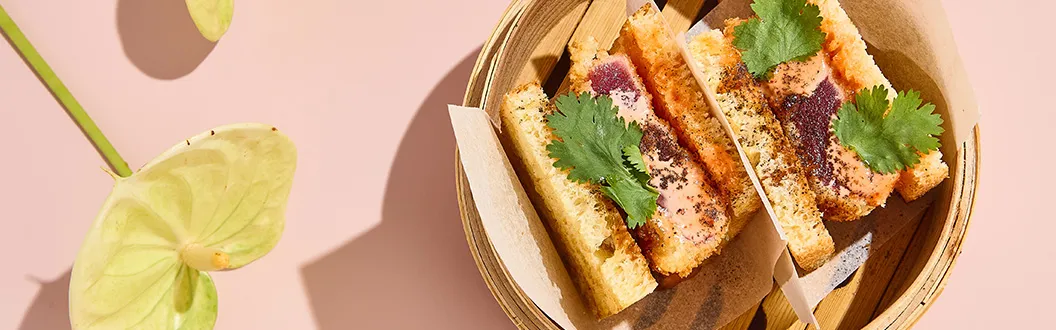
"Sando" comes from "sandoitchi"—the Japanese word for sandwich. Over time, Japan has developed its own distinct sandwich culture around it. The defining feature is shokupan, a particularly soft Japanese milk bread with a fluffy crumb and thin crust.
Unlike many Western sandwiches, the sando is all about balance—texture, filling and presentation working in harmony. The sandwiches are usually served without crusts and assembled with care so the filling is neatly displayed when sliced.
There are two traditional main categories:
- Savoury sando: meat, egg, tofu or fish combined with sauces
- Dessert sando: fruit and lightly sweetened whipped cream
For restaurants and cafés, this simple "blank canvas" offers an exciting opportunity—whether showcasing classic ingredients in a new format or getting creative in the kitchen.
What sando varieties are there?
A number of Japanese sando favourites have become established and are especially popular—both in Japan and internationally.
Katsu sando
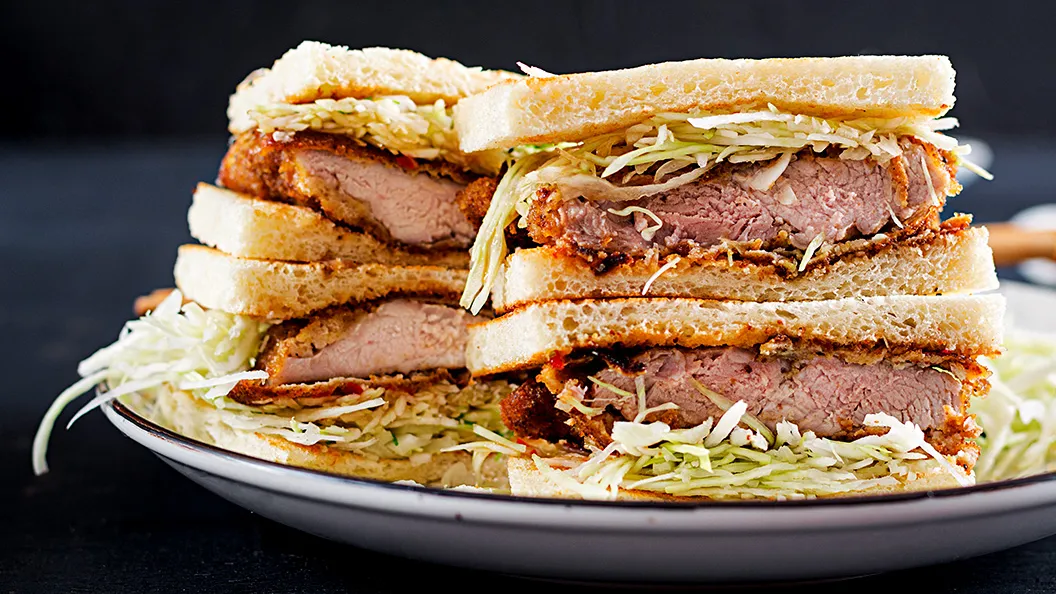
Perhaps the best-known variety. A crispy breaded pork or chicken escalope and finely sliced white cabbage are layered between two slices of milk bread and served with tonkatsu sauce.
The sauce is typically a blend of BBQ, Worcestershire and soy sauce. In a professional kitchen, its intense, layered flavour can be built up using Kikkoman Soy Sauce as a base.
Tamago sando
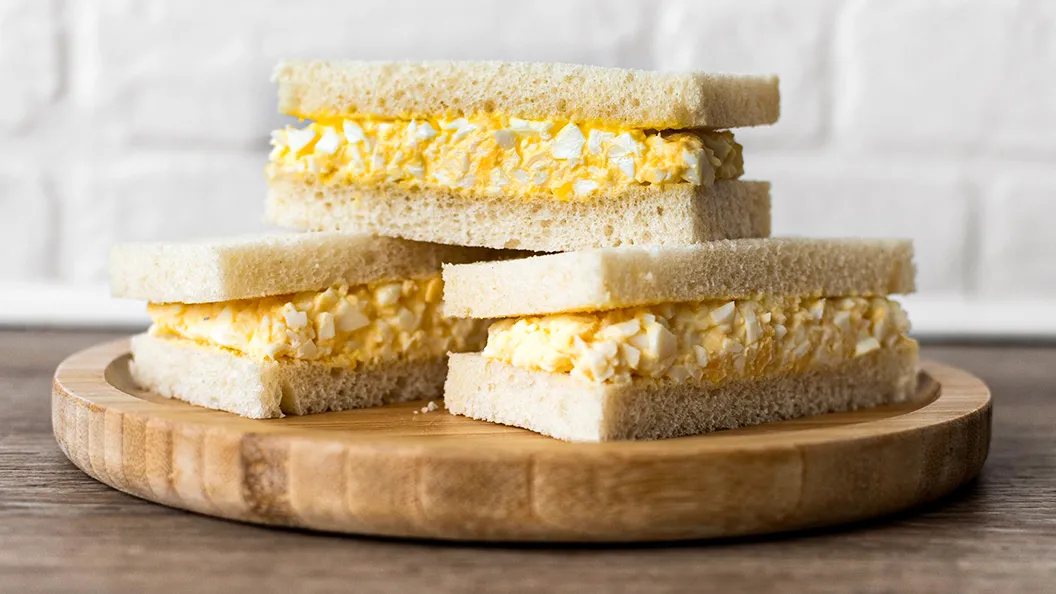
A Japanese convenience store classic: the egg salad sandwich.
The salad is made from soft-boiled eggs and Japanese mayonnaise. A small splash of Kikkoman Soy Sauce gives the egg salad a subtle umami note that provides the extra kick.
The tamago sando is a perfect example of how simple ingredients can produce a surprisingly complex flavour.
Fruit sando
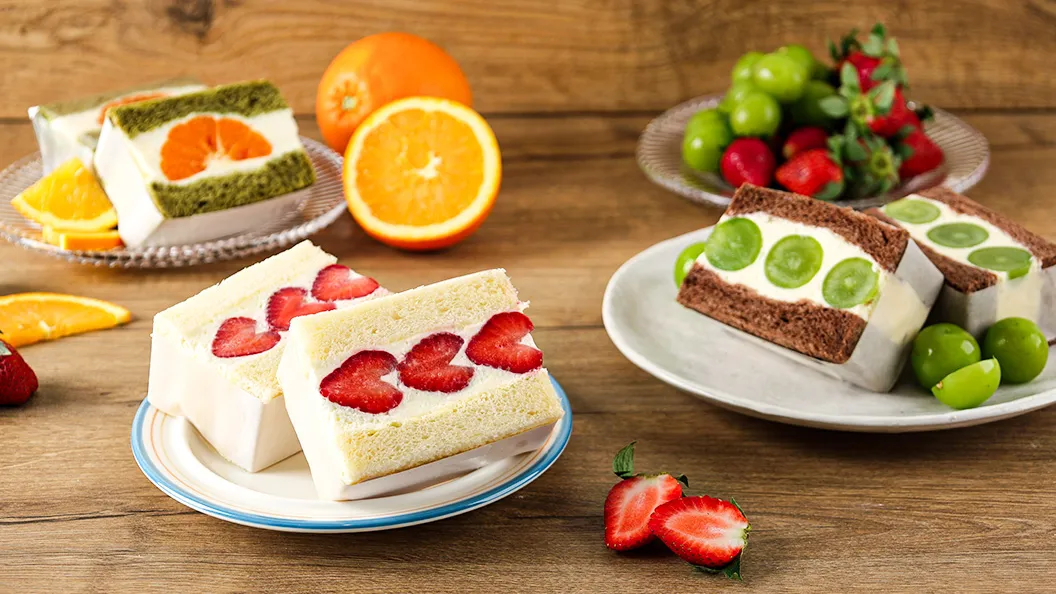
The sweet variety has become a social media hitter. Fresh fruit—often strawberries, mango or kiwi—is layered with lightly sweetened cream between the airy slices of bread. When cut, a decorative pattern of fruit emerges, framed by a thick layer of cream.
This dessert sando works particularly well in cafés as a house speciality to serve with coffee.
Wagyu sando
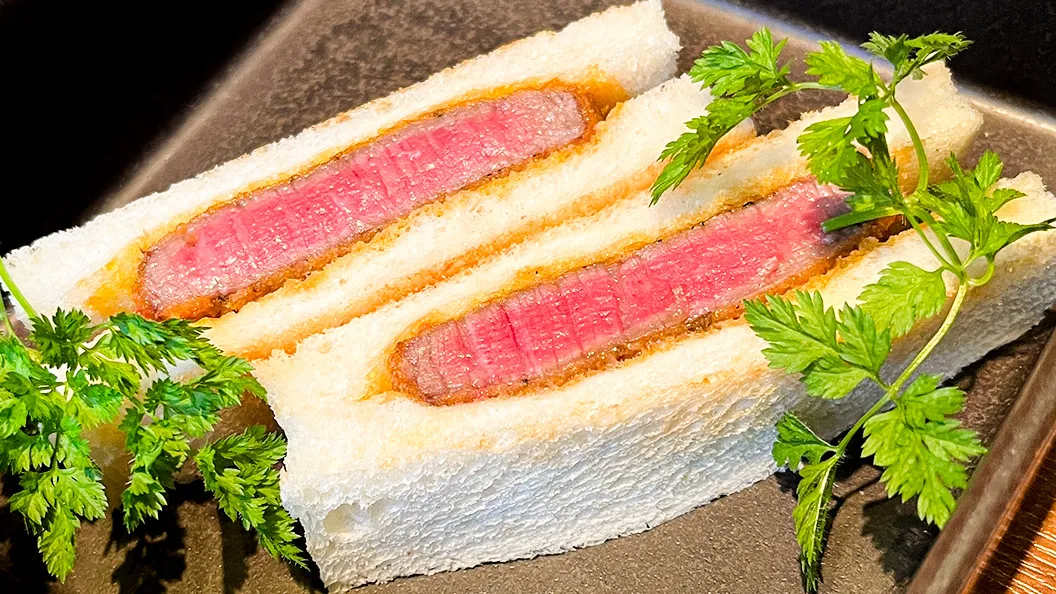
The premium variety: high-quality beef, often cooked medium, combined with a reduced teriyaki or tonkatsu sauce. Kikkoman Teriyaki Glaze or Kikkoman Soy Sauce work beautifully here to intensify the flavour.
This sando not only looks stunning—like the varieties above—but also lends itself well as a fine-dining snack in upmarket establishments, thanks to its quality ingredients.
How to prepare a sando properly
The preparation may seem simple, but a good sando is all about the details. Here are a few tips and tricks to keep in mind.
- Spread with butter: a thin layer of butter on the bread not only adds flavour—it also forms a barrier against moisture, preventing the juicy filling from making the bread soggy.
- Press lightly: after assembling, the sandwich is often pressed briefly—with a board or plate, for example. This helps the bread and filling bond better, making the sando easier to cut cleanly later.
- Use the right bread: Shokupan is ideal because it's particularly soft and springy. If it's not available, very soft sliced white bread or brioche without a heavy crust will also work.
- Remove the crusts: in Japan, the crusts are usually trimmed off. This gives you the typical soft texture and the clean, minimalist look.
- Cut precisely: a long, very sharp knife is essential. Make the cut in a single, precise movement so the filling doesn't shift.
- Distribute fillings evenly: especially with decorative sandos, it's worth positioning the ingredients strategically so that when sliced, an attractive, symmetrical cross-section of the filling is revealed.
Sando inspiration for your menu
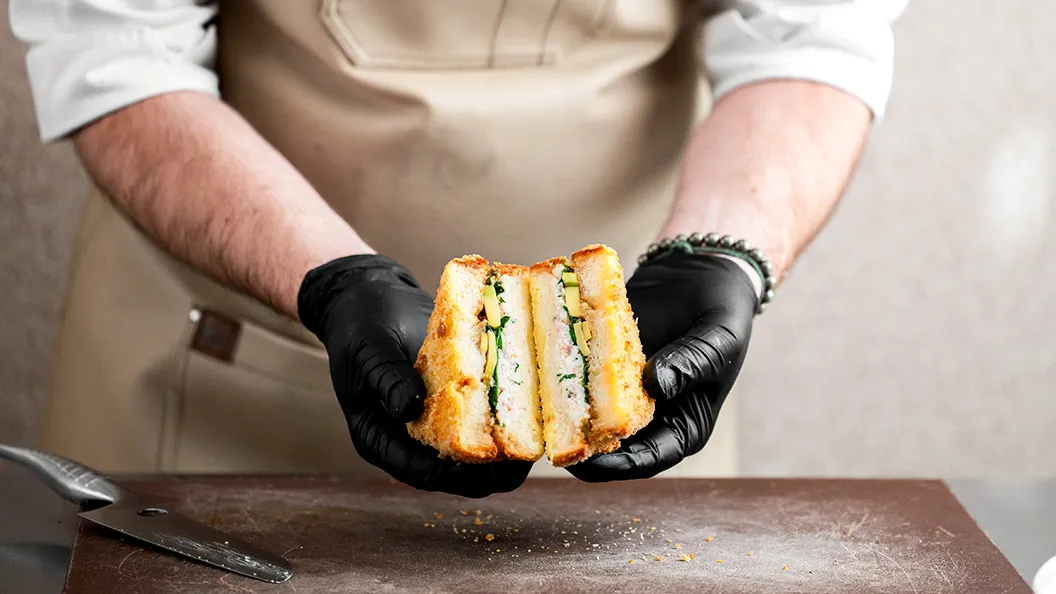
Sandos are ideal for fusion kitchens and modern casual dining concepts. There are virtually no limits to creativity here: if it fits in a sandwich format—go for it!
- Miso aubergine sando: roasted aubergine slices finished with a miso glaze and paired with a crunchy cucumber salad. A splash of Kikkoman Soy Sauce in the miso dressing intensifies the umami, so the sandwich works well without meat.
- Korean fried chicken sando: crispy fried chicken served with a mildly spicy gochujang mayonnaise and pickled radish slices. A little Kikkoman Teriyaki Marinade in the glaze brings a sweet-savoury note that balances the heat perfectly.
- Truffle egg sando: creamy Japanese egg salad enhanced with a little truffle oil and finely sliced chives. A small splash of Kikkoman Soy Sauce lifts the umami note of the eggs, turning the simple tamago sando into an elegant bistro dish.
- Matcha mango sando: two trends meet here. The matcha cream and mango slices complement each other beautifully—not just in colour, but in flavour too. A real eye-catcher on any menu.
If you want to take things further, you can coat the finished sando in a panko crust before serving and fry it golden brown on both sides. This gives the sandwich a new twist—swapping the soft crumb for a crisp finish.
Japanese sandos—big potential between two slices
The Japanese sando is a perfect example of how much you can get out of a seemingly simple dish. There's no hiding behind lots of components here—it's all about solid culinary craftsmanship to turn a humble classic into something special.
For the food service industry, the sandwich offers a stage for creative ideas. From the classic katsu sando to modern fusion variations—if you want to stand out, don't be afraid to experiment.
In short, a good sando has plenty of advantages: it's quick to make, versatile and fits seamlessly on modern menus. It’s well worth a try!