
Regional and seasonal: cooking on a budget
30. April 2026
What sets regional and seasonal cooking apart?
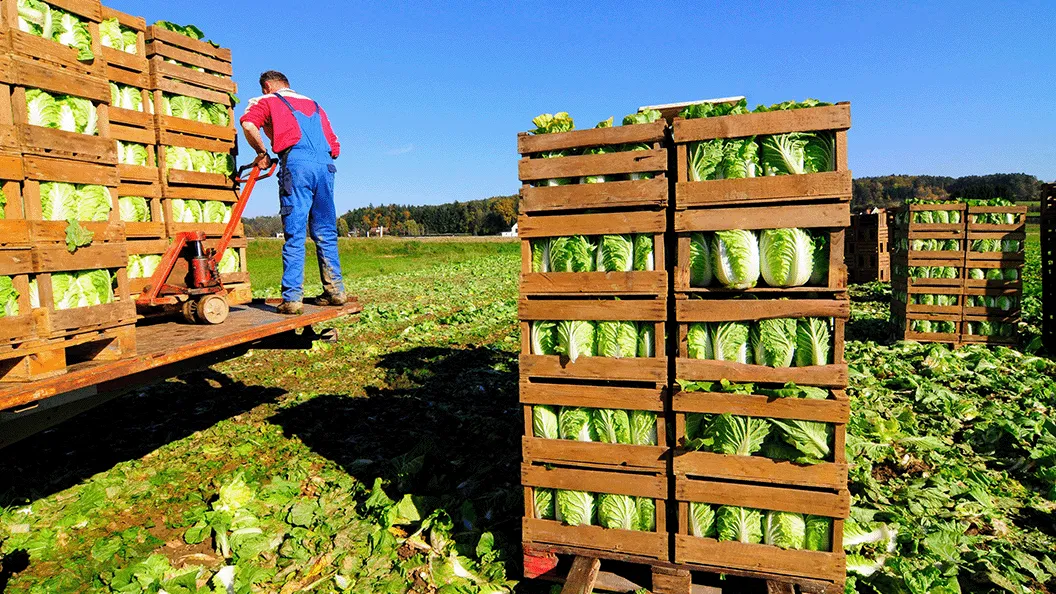
Regional and seasonal cooking means choosing ingredients with care—by origin and time of year. The focus is on products grown in your own region that are currently in season.
The benefits:
- Shorter transport routes: lower costs and gentler on resources
- Fresher produce: more flavour, maximium nutrition, and better quality on the plate
- More stable prices: seasonal products are available in greater quantities
A glance at global trends underlines the relevance. Produce like avocados or exotic fruits often come with high water consumption and long supply chains. Regional alternatives offer ecological and economic advantages alike.
How to put regional, budget-friendly cooking into practice
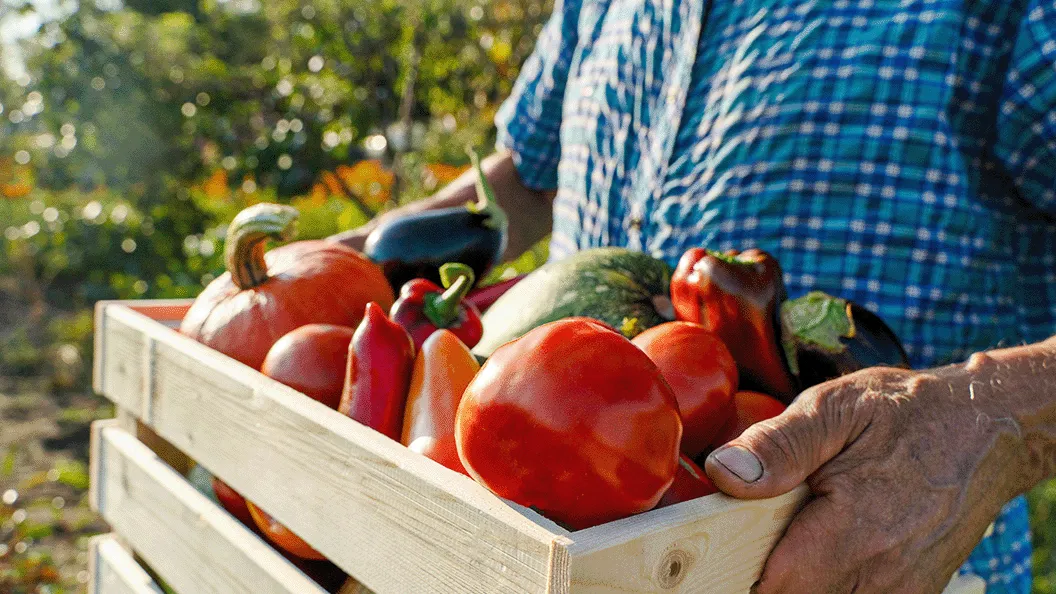
Switching to a regional, seasonal kitchen involves several steps—from smarter purchasing to using products in their entirety.
Work directly with producers

Building contacts with local farms and suppliers is worth the time investment. Compare prices and nurture relationships—you'll often get better terms than through a middleman.
Favour unprocessed products
Raw ingredients are usually cheaper than pre-processed ones. You also get more control over quality and flavour—a double win.
Use everything: 'leaf to root' and 'nose to tail'
'Leaf to root' and 'nose to tail' aren't just efficient ways to save money—they're also central to sustainability. Cost-cutting is almost a side benefit here. Use your resources fully and you'll discover new flavours and textures that can breathe fresh life into your menu.
- 'Leaf to root': using vegetables in their entirety—carrot tops, cauliflower leaves and so on.
- 'Nose to tail': the meat equivalent. The whole animal is used, including less popular cuts.
Fermentation as a tool
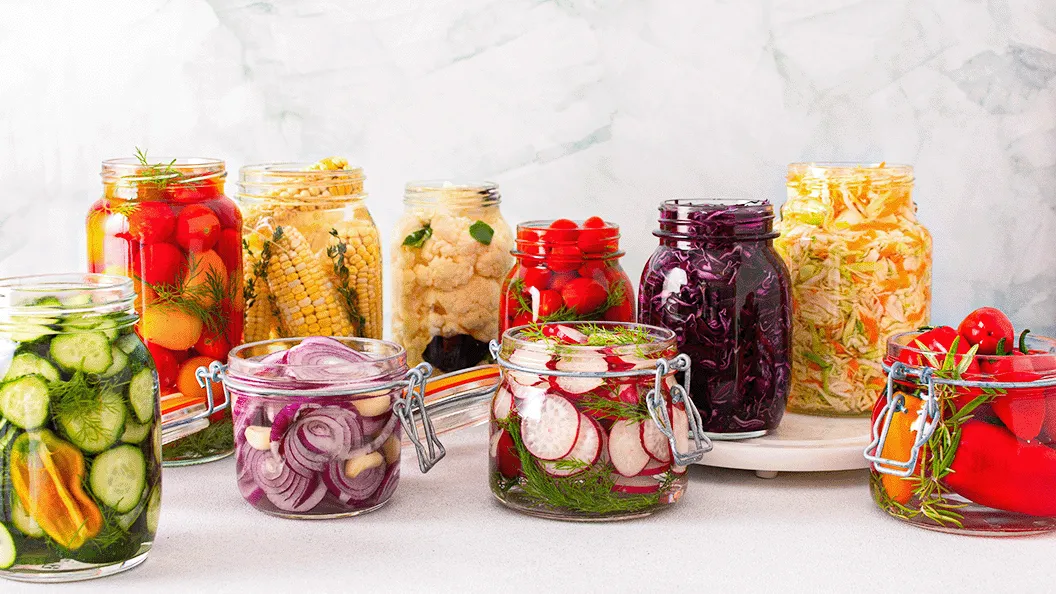
Fermentation extends shelf life and makes economic sense. It lets you preserve surpluses while making them more interesting to eat. Vegetable trimmings, for example, can be fermented and used later as sides or toppings—turning apparent waste into a highlight on the plate.
Build your regional, seasonal menu
A well-planned menu is key to making seasonal cooking pay.
Rotating menus, not static ones
Instead of developing entirely new dishes, try a modular approach: keep the base dish the same and rotate the sides and components seasonally.
The principle: reduction creates efficiency. A smaller, clearly structured menu gives you a better grip on ingredient costs and cuts food waste. The kitchen runs more smoothly too—a better overview means faster, more organised work.
Stay flexible
Close relationships with producers make it easier to react to weather and harvest fluctuations. A rotating daily menu based on availability is well worth considering.
Bonus: you can highlight where your products come from. Specific sourcing information builds trust and adds value to the dish.
Practical examples: seasonal dishes with an umami twist
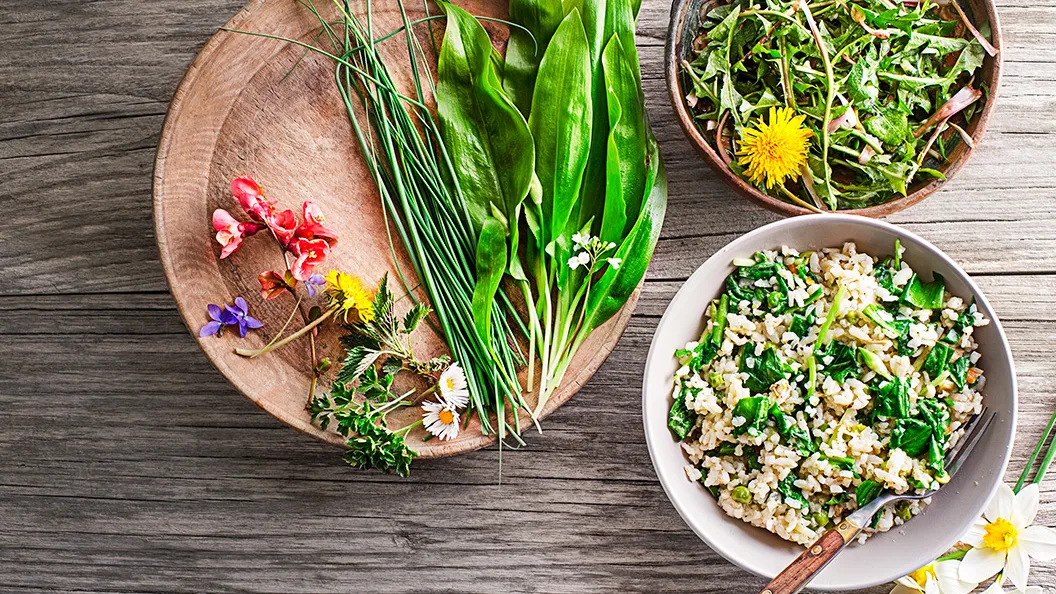
Regional, seasonal ingredients provide the foundation—but the right seasoning makes the difference. Well-chosen sauces add depth and elevate even simple produce. Fermented sauces in particular deliver umami, keeping short ingredient lists interesting and varied.
Spring—greens take centre stage
- Green asparagus with soy butter and mashed potatoes
Serve pan-fried green asparagus with light soy butter and classic mashed potatoes. A splash of Kikkoman Soy Sauce adds umami, cutting the need for extra salt.
- Radish leaf pesto with teriyaki vegetables
Turn radish leaves into a pesto and pair it with roasted spring vegetables. Finish with Kikkoman Teriyaki Glaze for a balanced, sweet-savoury note.
Summer—things get colourful
- Grilled courgette with ponzu dressing and herbs
Serve grilled courgette, red and yellow peppers with a light Kikkoman Lemon Ponzu dressing and fresh herbs. Acidity meets umami for a burst of freshness. Works beautifully as a sharing dish too.
- Tomato and bread salad with soy sauce vinaigrette
Toss ripe tomatoes with toasted bread and a Kikkoman Soy Sauce vinaigrette. The soy intensifies the tomatoes' natural sweetness and adds depth.
Autumn—cosy, warming flavours
- Roasted pumpkin with teriyaki glaze and yoghurt
Roast pumpkin in the oven and glaze with Kikkoman Teriyaki Glaze. Serve with a dollop of yoghurt for freshness and balance.
- Mushroom ragout with soy sauce and herbs
Fry mixed seasonal mushrooms over high heat, then deglaze with Kikkoman Soy Sauce. Finish with fresh herbs to bring out the earthy flavours. Ideal with bread as part of a starter selection.
Winter—cabbage season in full swing
- Braised root vegetables with soy and honey
Braise carrots, parsnips and celeriac, then glaze with Kikkoman Soy Sauce and a little honey. The result is a balanced blend of sweetness and umami—and a side dish that punches above its weight.
- Cabbage stir-fry with a kimchi kick
Stir-fry white cabbage and finish with Kikkoman Kimchi Chili Sauce. Whether as a side or a vegetarian main—a flavour hit either way.
Conclusion: less effort, more impact
Regional, seasonal cooking isn't a passing trend—it's a sustainable approach for modern food service. Choose products consciously, use them fully and stay flexible: you'll cut costs, raise quality and unlock new creative directions.
The takeaway: it's not the number of ingredients that counts, but what you do with them. Less shopping, more ideas—that's where the real potential lies.