Mushrooms—more than just a side
26. September 2025
Why mushrooms are healthy
At first glance, mushrooms may seem unremarkable, but they’re low calorie, nutrient-dense and offer many benefits, particularly in plant-based cuisine. They also serve as an excellent foundation for dishes beyond meat substitutes.
Low in calories and rich in nutrients
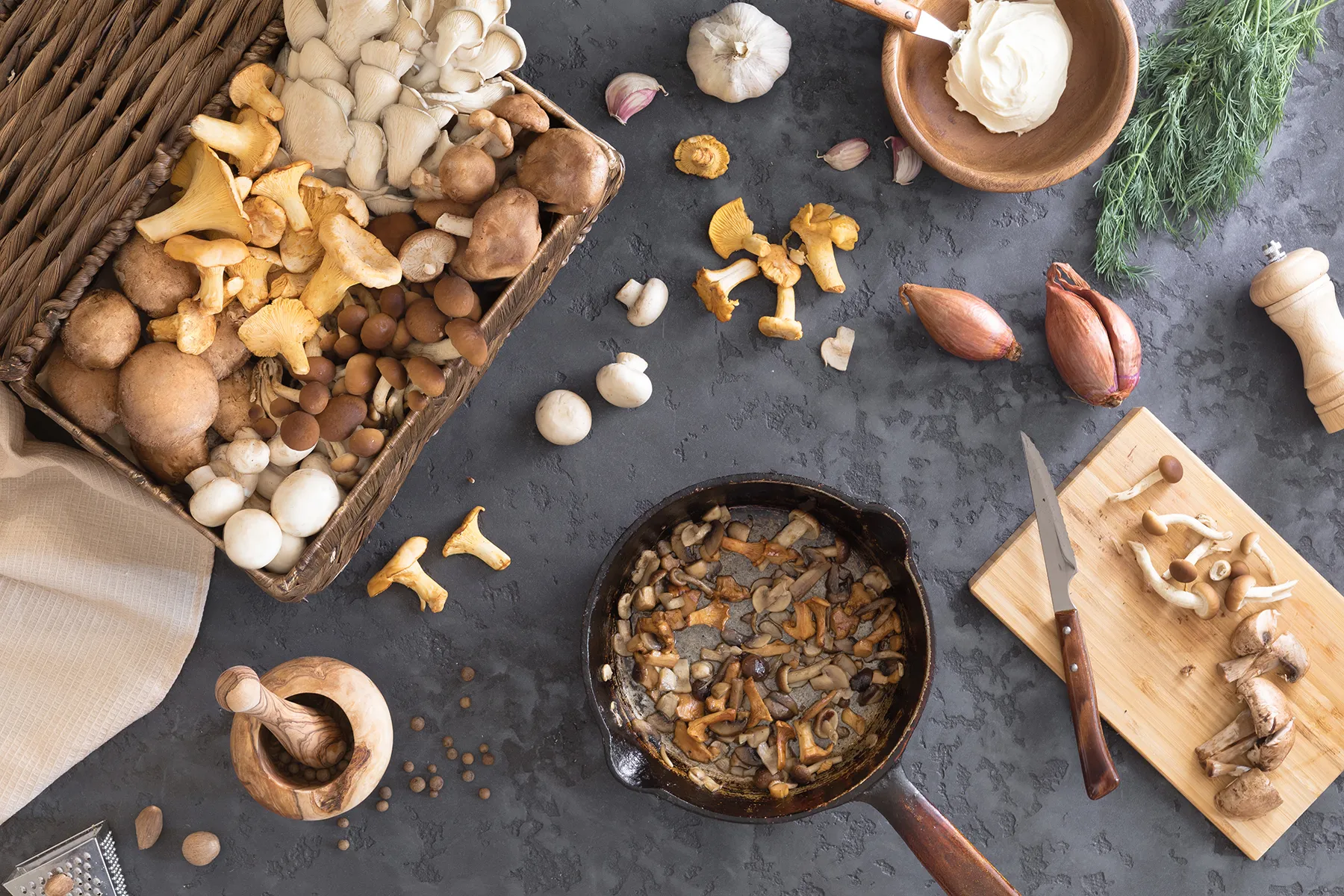
Mushrooms are approximately 90% water, which makes them an ideal ingredient in modern, health-conscious dishes. They’re virtually calorie-free yet rich in micronutrients, including potassium, iron, phosphorus, selenium and essential B vitamins. Particularly beneficial is their vitamin D, which mushrooms produce when exposed to sunlight—a real asset at a time when more people than ever suffer from deficiencies. So you see, mushrooms are packed with health benefits!
For kitchens seeking to offer guests healthy, varied options, mushrooms are a must-have—whether in bowls, soups or warm salads.
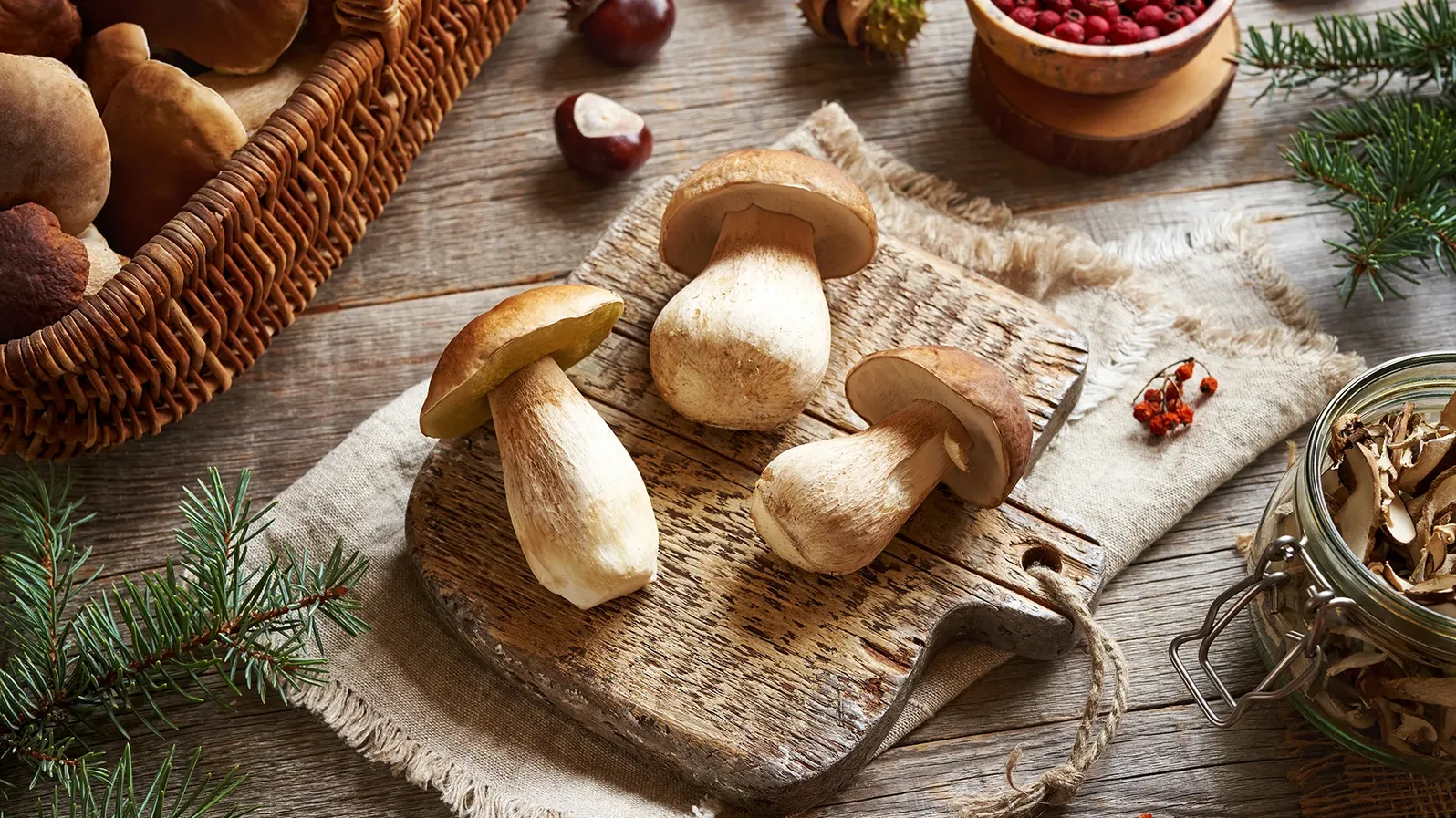
Wild mushrooms—delicious, but be careful!
Wild mushrooms are a seasonal culinary highlight for many guests. Their aromas are more intense, often earthier and more complex than those of cultivated varieties. Species such as porcini (ceps), chanterelles, bay boletes (chestnut boletes), orange birch boletes, parasol mushrooms and black trumpets are particularly prized—fried, braised or added as a flavour-packed element to soups and sauces.
- Porcini: notable for their nutty, full-bodied taste and firm consistency—ideal for frying or grilling.
- Chanterelles: offer a flavourful, slightly peppery note and hold their shape well when cooked. Great in cream sauces or as an accompaniment to game.
- Bay boletes (chestnut boletes): similar in taste to porcini but milder and more delicate. Particularly good for frying as they lose very little water.
- Orange birch boletes: aromatic and slightly tangy. Their firm texture makes them a popular choice in mixed mushroom dishes or as a filling for dumplings and savoury crêpes.
- Parasol mushrooms: recognisable by their large cap and scaly surface. Perfect for breading and frying—almost like a schnitzel.
- Black trumpets: intensely flavoured and almost truffle-like; they add depth to sauces, risottos and game dishes.
But take great care: if you want to pick mushrooms yourself—or process locally foraged specimens—you need expert knowledge. The difference between edible species such as bay boletes and dangerous look-alikes like the bitter bolete can be subtle. Rather than cutting specimens at the stem, experts recommend gently twisting them out so key distinguishing features at the base remain intact.
For professional kitchens to play it completely safe, source wild mushrooms exclusively from organic suppliers or farmers' markets, where produce is tested and often certified as wild-harvested.
Which mushrooms taste particularly good?
The selection of culinary mushrooms continues to expand—along with new ways to showcase them creatively. Here are some favourites types from professional kitchens:
- Chanterelles: flavourful, slightly peppery and with a firm bite. Perfect in cream sauces, with dumplings or pasta.
- Button mushrooms: versatile, mild in taste and available in white or brown. Ideal for frying, stuffing or serving raw as mushroom carpaccio.
- Portobello: the 'big brother' of the button mushroom. Its broad cap is ideal as a burger patty or grilled as a steak substitute. A real eye-catcher on the plate.
- Oyster mushrooms: tender bite with a nutty aroma. Delicious fried in butter or marinated in the wok with Asian spices.
- Shiitake: a staple of Asian cuisine. Its natural glutamate provides an intense umami hit. Particularly aromatic when dried—ideal for broths, stocks and dashi.
- King oyster mushrooms: firm, almost crisp to the bite; thinly sliced and fried, they resemble scallops. A genuine fine-dining highlight.
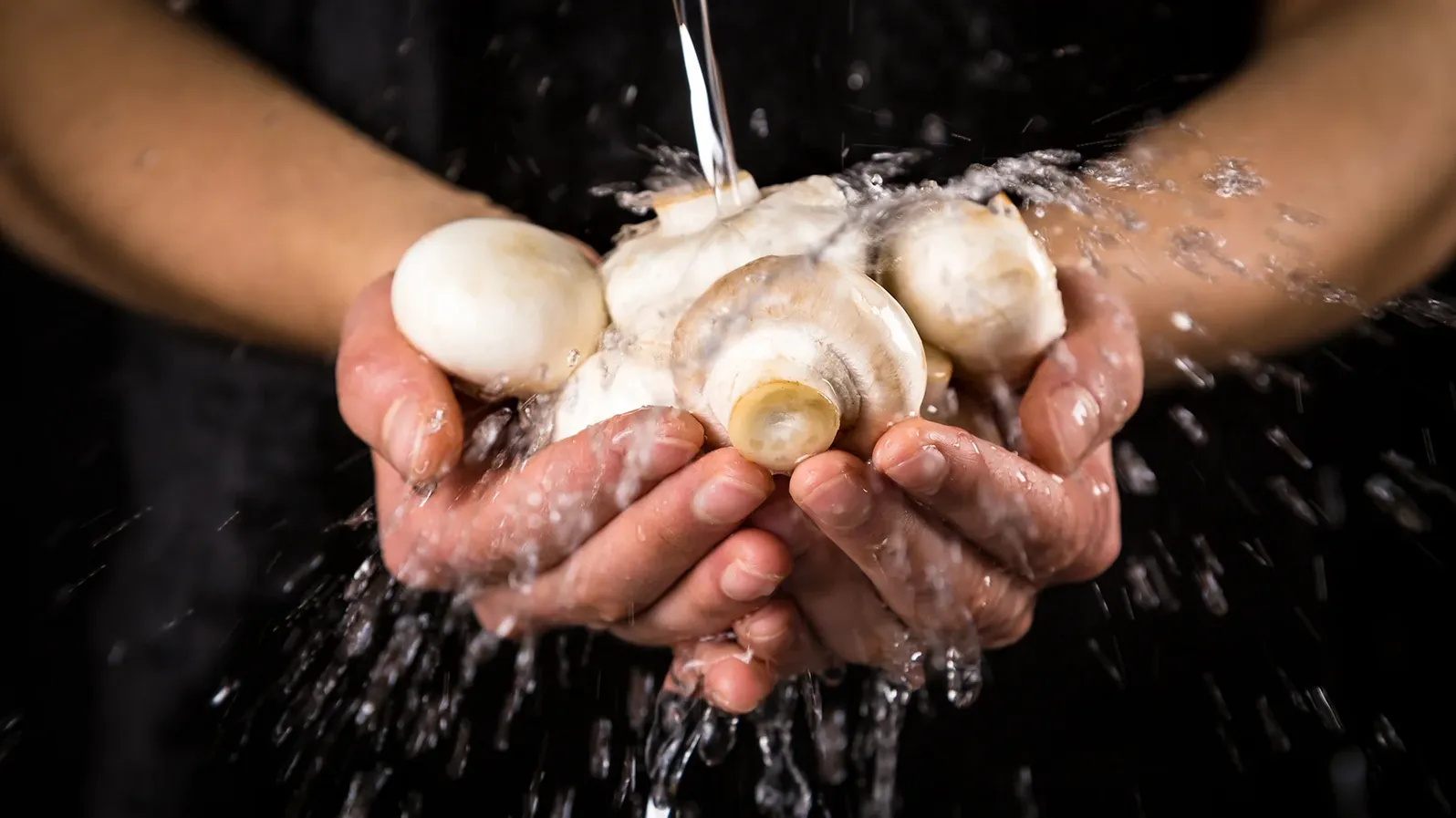
Should you wash mushrooms?
A perennial debate in kitchens worldwide: should you wash mushrooms or not? For a long time, the rule was to clean them only with a cloth or brush to avoid ‘waterlogging’. However, recent studies show that mushrooms are so water-rich that a quick rinse under running water barely alters their structure.
In a professional setting, this means that for larger quantities, a swift but gentle rinse is perfectly acceptable—provided the mushrooms are processed immediately and not stored for long. For more delicate varieties like chanterelles or morels, however, careful brushing remains the best option.
How to serve mushrooms at their best
Mushrooms offer an array of bold flavours and textures for creative menus. Here are some ideas for culinary showstoppers:
- Umami explosion: fry shiitake in rich Kikkoman Soy Sauce, garlic and sesame oil. Perfect as a topping for ramen or rice dishes.
- Mushroom tartare: finely dice king oyster mushrooms or button mushrooms and marinate raw with lemon juice, Kikkoman Soy Sauce, shallots and a dash of truffle oil. Serve on toasted brioche for an elegant starter.
- Vegan jus: sear shiitake and button mushrooms, deglaze with Kikkoman Soy Sauce and red wine, simmer with spices and reduce—for a deep, dark meat-free sauce with intense flavour.
- Stuffed portobello caps: fill with couscous, nuts and herbs, then glaze with Kikkoman Teriyaki Marinade—a harmonious, satisfying main course.
- Mushroom carpaccio: thinly shave mushrooms raw, dress with lemon juice, fleur de sel, shaved Parmesan and olive oil—perfect as a starter or with wine.
- Asian stir-fry: heat a wok, add shiitake, oyster and king oyster mushrooms with fresh pak choi and chilli, then toss in a splash of Kikkoman Wok Sauce – Teriyaki—for a quick, well-rounded dish.
One final tip: mushrooms and Kikkoman Naturally Brewed Soy Sauce are natural partners. Both rich in umami, the effect is amplified when used in recipes together. Dark, thick varieties such as Kikkoman Sweet Soy Sauce and Kikkoman Sushi Sauce add depth and gloss to mushroom dishes—whether in a jus, a stir-fry or a marinade.
Mushrooms as all-rounders
Mushrooms offer culinary professionals remarkable versatility—from quick lunch dishes to fine-dining experiences. Their flavour profiles can be shaped not only through cooking methods and seasonings but also by deliberately experimenting with textures and aromas—from silky shiitake broths and reductions to crisp-fried portobello caps.
In a gastronomic environment where authenticity, sustainability and creative differentiation are ever more in demand, mushrooms can play a pivotal role.
They fit just as comfortably into modern vegan menus as into classic à-la-carte offerings, bringing not only umami to the plate but also storytelling potential—from locally foraged porcini to Japanese shiitake tradition.