Fusion dumplings—small parcels, big potential
13. February 2026
What exactly are dumplings?
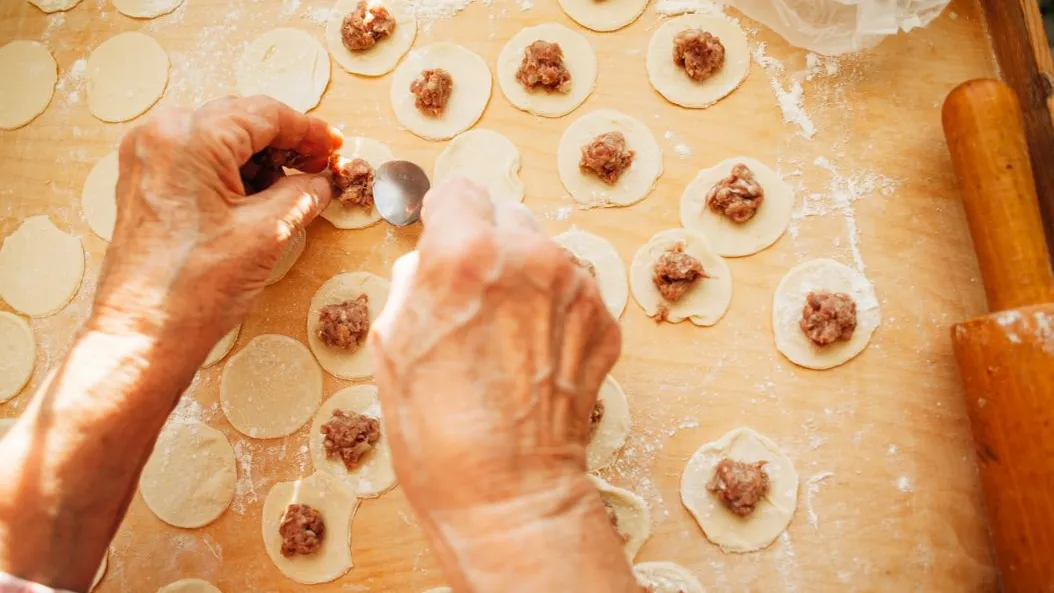
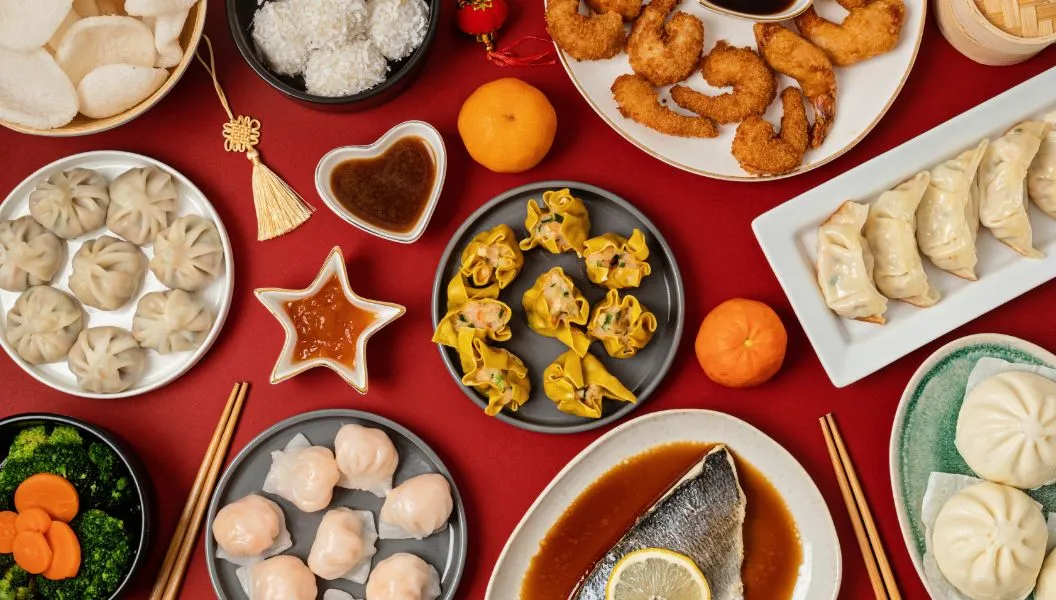
Dumplings originate from China, where they are considered a symbol of prosperity and good fortune. Especially at Chinese New Year, the whole family traditionally comes together to make dumplings and celebrate the arrival of the new year. The name jiaozi sounds very similar to the Chinese expression for 'transition from the old year to the new'.
Today, however, dumplings are no longer found only in China. They are widespread in many other countries, where their preparation, shape and fillings vary depending on the country and region.
All dumplings follow the same basic principle: a (usually thinly rolled) dough wrapper encloses a savoury or sweet filling and is then folded. The dough typically consists of wheat flour, water and sometimes salt. European versions usually also include eggs and a little oil or butter.
- Japan (gyoza): thin dough, crescent-shaped, steamed or pan-fried, with savoury fillings of vegetables, garlic or pork.
- Korea (mandu): thicker dough, round or crescent-shaped, steamed, fried or boiled, often filled with kimchi and pork or beef.
- Nepal (momo): thicker dough, round, steamed, filled with vegetables, goat, chicken or pork, traditionally served in tomato soup or broth.
Western cuisines also have their own versions of dumplings:
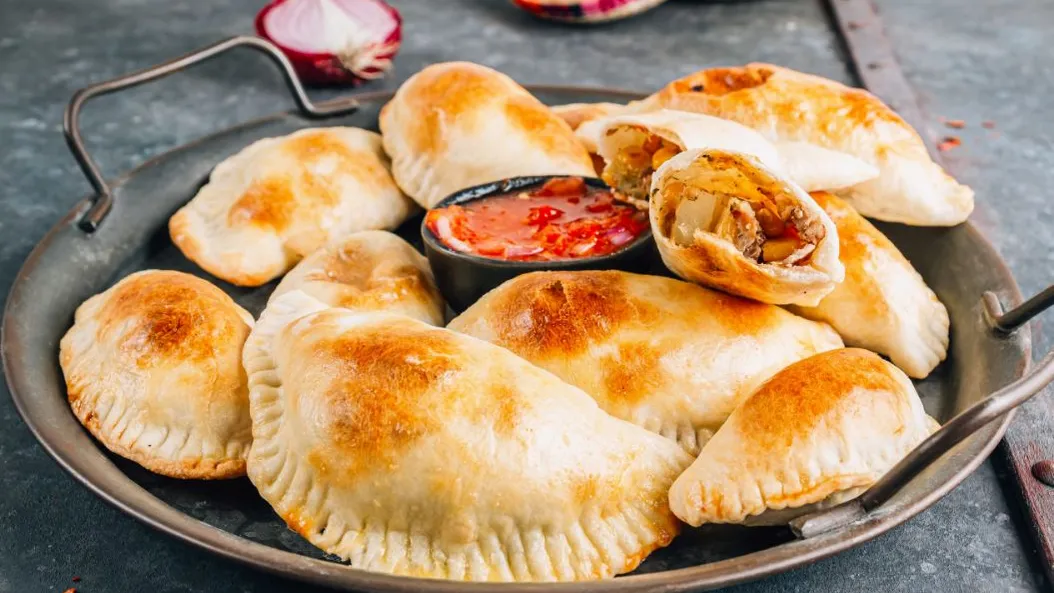
- Poland (pierogi): thicker dough, crescent-shaped, first boiled and then often pan-fried, filled with potatoes, cheese, meat or cabbage, frequently served with sour cream or fried onions.
- Spain (empanadas): thicker, buttery dough, crescent-shaped, baked, filled with meat, vegetables, cheese or sweet ingredients such as quince paste, dates or figs.
- Italy (ravioli): firm pasta dough, rectangular, boiled, filled with ricotta and spinach, mushrooms, forcemeat or herb cheese, traditionally served with butter-sage sauce or tomato sugo.
- Germany (Maultaschen): firm pasta dough, rectangular, boiled, filled with seasoned sausage meat, spinach, onions and soaked bread.
Tip:
for a gluten-free option, replace the wheat flour in the classic dough with rice flour. Alternatively, use rice paper directly as the wrapper.
Preparation—steaming, frying, deep-frying…
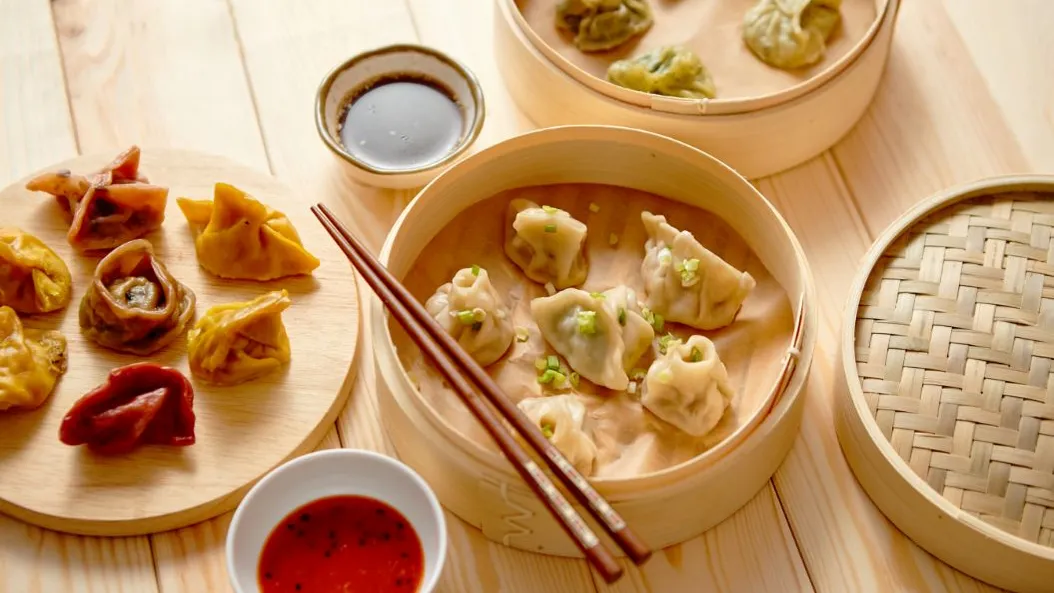
When it comes to preparing dumplings, there are plenty of options.
For juicy, soft dumplings, steaming or boiling works best. They are traditionally served in broth or soup.
For a crisper texture, pan-fry or deep-fry until they’re crisp and crunchy.
Regardless of the method, dumplings are ideal for meal prep in professional kitchens. Make a large batch in advance, freeze, then cook to order using the desired method.
Once the preparation style has been chosen, it’s time to turn to the filling.
Getting down to business—the right filling for your fusion dumplings
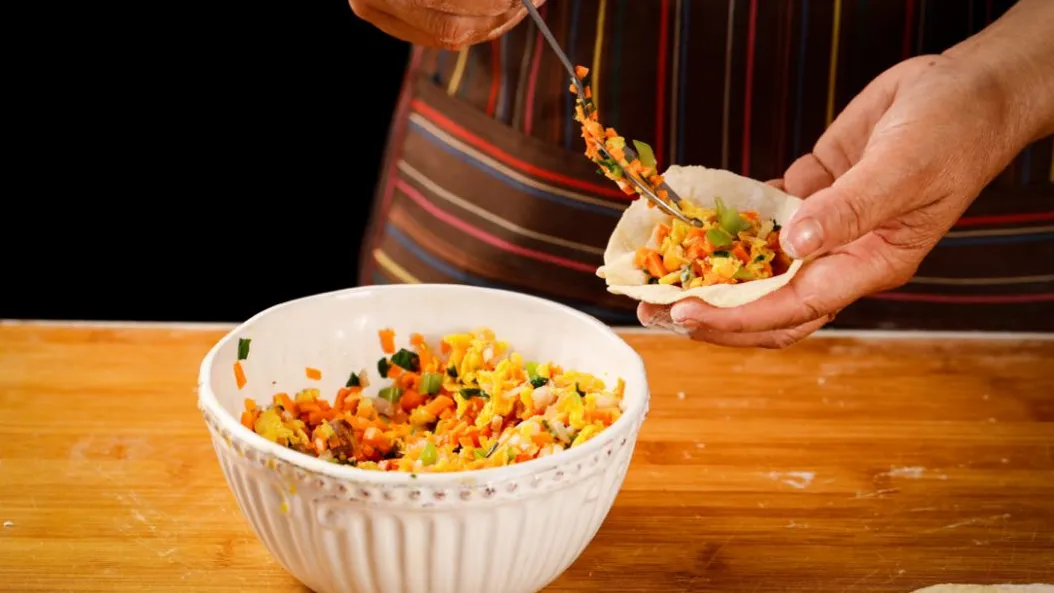
Dumplings are no longer a purely Asian speciality—they have become part of global cuisine. Whether classically inspired or with an international twist, modern fusion dumplings combine techniques and flavours from different countries and regions.
Whether classic, vegetarian, vegan or more adventurous, this is where you can get creative, try new combinations and set your menu apart from the competition:
- Classic and authentic: filled with pork, Chinese cabbage, spring onions and ginger—for a rounded, traditional flavour.
- Mediterranean fusion: filled with minced lamb, sun-dried tomatoes, feta and mint—bringing umami and a balance of savoury and fresh notes.
- Vegan and modern: filled with tofu, sweet potato, kimchi and spring onions—creamy, subtly spicy and fresh.
- Sweet and unusual: filled with apple, cinnamon and cream cheese or ricotta—an Asian-style mini apple strudel.
The more creative the filling, the more distinctive the flavour, so feel free to experiment with new aromas.
What goes with dumplings?—The perfect dip
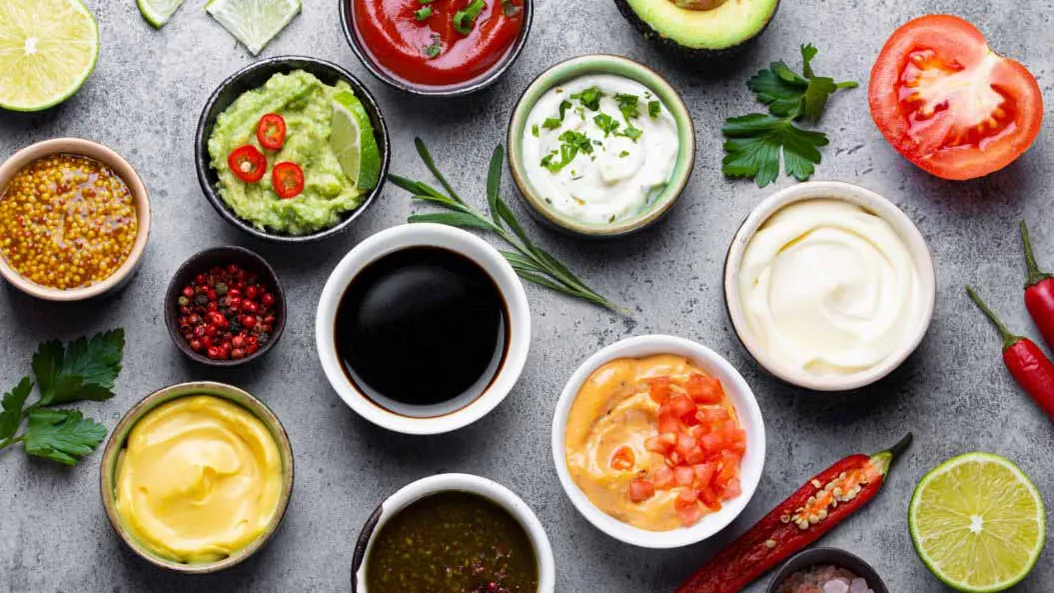
Dumplings are all about the interplay between dough, filling and, of course, the dip. A well-balanced dip can make or break the finished dish.
Most important: always adjust the saltiness of the dip to the filling so the overall result doesn't end up too salty.
There’s virtually no limit to how creative you can be with the right dip. From classic to modern to bold, dips are an easy way to add variety to your menu.
- Classic dip: when you want to keep things simple. Kikkoman Soy Sauce, rice vinegar, sesame oil and a little chilli or garlic create a clear, well-defined flavour profile.
- Fruity and fresh: Kikkoman Ponzu Lemon, honey and ginger add a bright, zesty lift.
- Sweet and spicy: for something a little more unusual, combine Kikkoman Teriyaki Marinade with chilli oil and lime juice for a sweet-and-spicy burst of flavour.
Tip:
Kikkoman products aren’t just ideal as dips—they also work beautifully with fusion dumplings, whether in the filling, as a marinade or as a glaze. Kikkoman Soy Sauce, Kikkoman Teriyaki Marinade or Kikkoman Teriyaki Glaze add shine and depth.
Dumplings—endlessly adaptable
Understanding the fusion dumpling concept opens up a wealth of menu possibilities. Whether as a refined starter, a sophisticated side dish or a creative element in bowls and buffets, these parcels are true all-rounders that adapt to any kitchen concept.
They combine craftsmanship with efficiency, and tradition with innovation, making them ideal for modern professional kitchens and popular with guests.
The right Kikkoman sauces help create dishes that stand out by deepening flavours, enhancing colour and improving texture.
And whether steamed, pan-fried or deep-fried, dumplings may be the most appealing way to bring umami to the plate.