Asian soups—the perfect stage for umami
12. February 2026
What makes Asian soups special?
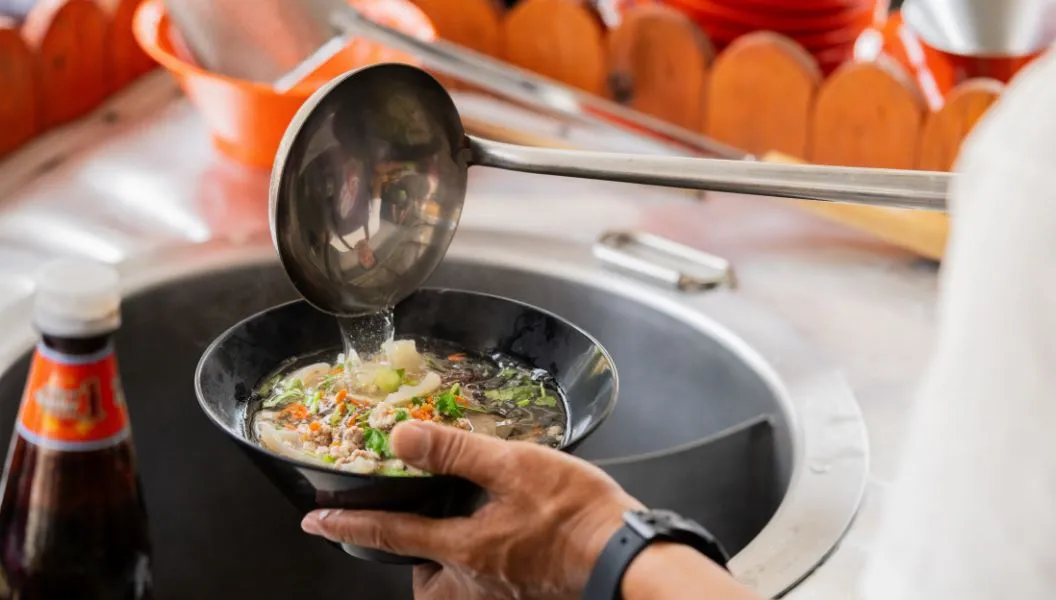
It’s all about the broth—the foundation for everything else. From gentle and clear to spicy and creamy, Asian soups cover a wide spectrum, but the broth alone is not enough. The fillings and toppings, and their textures, are equally important: soft meets crunchy, fresh meets cooked. This is where culinary creativity comes into play—the same broth can be transformed into entirely different dishes through smart combinations.
A key element is umami. Whether it comes from fermentation, roasting or reduction, it is essential to the depth of an Asian soup. That said, balance is crucial: in Asian cuisine, no single flavour should dominate. The aim is harmony: a careful balance of salty, sweet, sour, spicy and bitter.
Although Asian soups span many countries and styles, a few staple ingredients appear again and again.
- Umami foundations: soy sauce, miso paste, fish sauce or oyster sauce provide the fermented depth that Asian soups rely on. Kikkoman Soy Sauce is particularly well suited to creating a balanced umami base.
- Natural umami boosters: kombu, shiitake mushrooms or dried seafood are naturally rich in glutamate, adding depth and structure to Asian soups.
- Additional aroma: ginger, garlic, chilli or spring onions introduce heat and punch to the broth.
- Fresh finish: herbs such as coriander, Thai basil or perilla lend lightness and a bright note, rounding off the broth.
What really sets Asian soups apart is their versatility when it comes to ingredients: they adapt effortlessly to vegetarian, vegan, halal or gluten-free diets without sacrificing authenticity or flavour.
The great classics—core types of Asian soups
Asian soups are as diverse as the regions they come from. Each tradition brings its own techniques, broths and flavour combinations. They range from clear, delicate broths to rich, creamy versions, showing just how versatile soups can be as a dish.
Ramen (Japan)
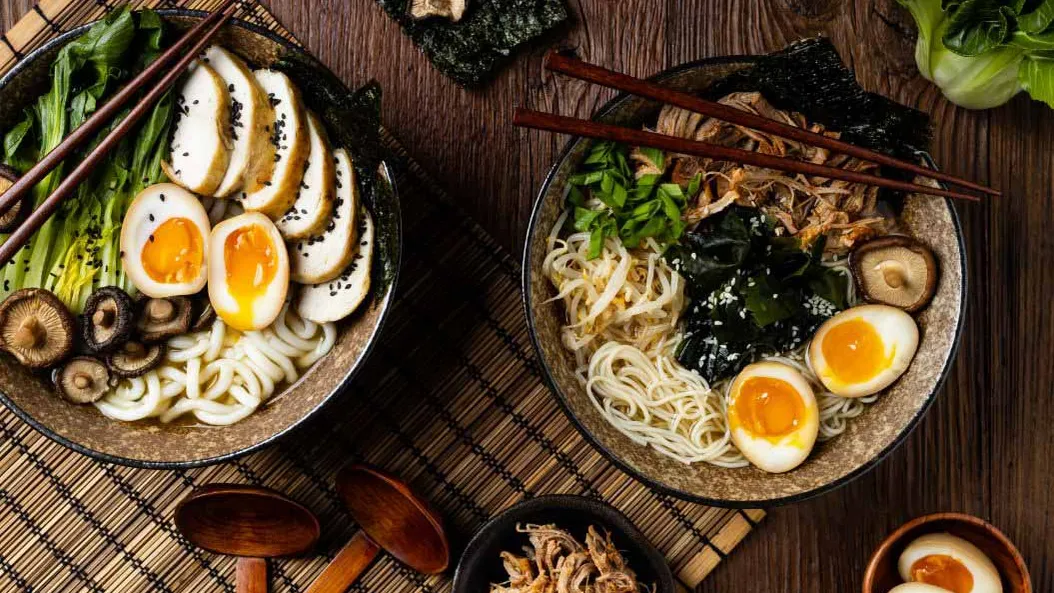
Probably the best-known Asian noodle soup in the West, ramen features long wheat noodles served in a robust broth that can range from clear and light to thick, rich and full-bodied.
- Shoyu ramen: balanced, savoury and umami-rich. Particularly versatile in combination with meat or vegetables. Kikkoman Soy Sauce enhances the umami note beautifully.
- Shio ramen: a light broth with a clean, salty profile and a mild flavour, ideal with clear chicken or fish stocks.
- Miso ramen: fermented bean paste adds depth, gentle creaminess and a savoury, aromatic note.
- Tonkotsu ramen: made from pork bones simmered for hours, with a milky-white broth that is exceptionally rich and intense. Fattier, warmer and more filling than other ramen styles.
The toppings should not be overlooked—they are almost as important as the broth itself. Tender pork belly (chashu), fried tofu, marinated egg, bamboo shoots, mushrooms, nori or sweetcorn are just a few examples, adding texture, flavour and colour to the soup.
Pho (Vietnam)
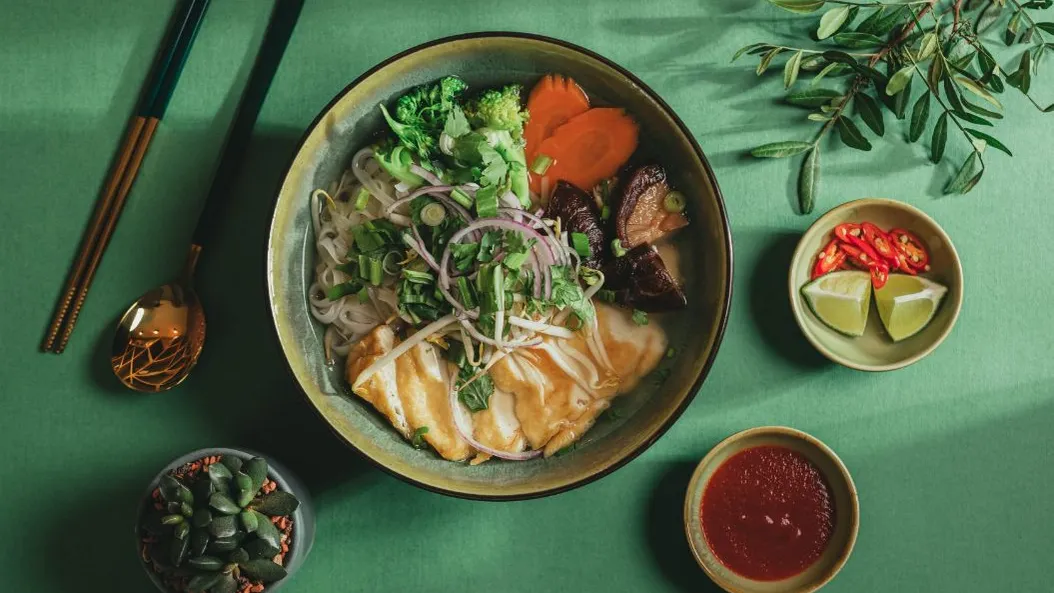
Vietnamese pho is also growing in popularity in the West. Its clear, well-structured and aromatically complex broth is made by simmering beef bones or chicken for several hours. Typically spiced with star anise, cinnamon, cloves and cardamom, the broth remains light and refreshing. Pho is traditionally served with flat rice noodles, fresh herbs such as coriander or Thai basil, spring onions and bean sprouts. Lime and chilli—or Kikkoman Soy Sauce—can be served on the side, allowing each guest to season the soup to their own taste.
Tom yum and tom kha (Thailand)

These two Thai classics show just how different broths can be.
- Tom yum: tangy, spicy and citrus-fresh, with chilli, kaffir lime leaf, galangal and lemongrass. Perfect for a light, aromatic soup with prawns, chicken or tofu.
- Tom kha: creamy thanks to coconut milk, yet aromatic with galangal, lemongrass and fresh herbs—noticeably softer and milder than tom yum.
Laksa (Malaysia / Singapore)
Laksa is a richly aromatic coconut curry noodle soup with a spicy laksa base of chilli, turmeric, shrimp paste and lemongrass. It stands out for its bold flavours and creamy texture, paired with rice or egg noodles, fresh herbs such as coriander or Thai basil and protein like chicken, prawns or tofu. For an extra layer of sweetness and savoury depth, the protein can be lightly marinated in Kikkoman Teriyaki Marinade beforehand.
The heart of the dish—the broth
The broth is the foundation of every good Asian soup. The longer it simmers, the deeper the flavour becomes.
Although classic Asian broths often rely on animal products such as beef or chicken, vegetarian alternatives based on vegetables, mushrooms or kombu work just as well. Many plant-based ingredients deliver natural umami that rivals animal stocks.
Broths are also ideal for meal prep: prepare a large batch, let it simmer, portion it out and finish with the desired fillings and toppings as needed. A small splash of Kikkoman Soy Sauce adds the perfect finishing touch.
Toppings and garnishes—this is where creativity comes in
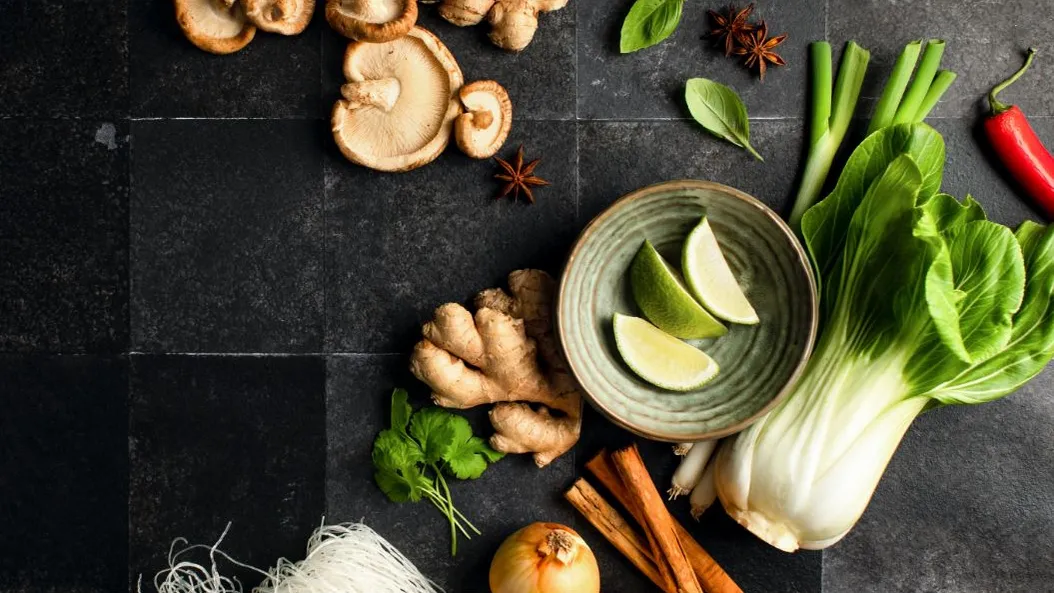
Whether noodles, rice, dumplings, vegetables, fish, meat, tofu or herbs—toppings give Asian soups their character and reflect the style of the menu. Crunchy elements such as fried onions, tempura crumbs or peanuts add welcome textural contrast.
For those who want to break from tradition, fusion ideas open up new possibilities:
- Ramen with Mediterranean basil pesto: adds a fresh, herbal note to the savoury broth that pairs surprisingly well with noodles and toppings.
- Pho with grilled vegetables instead of the classic meat garnish: brings smoky, roasted flavours to the clear broth—light, modern and ideal for vegetarian concepts.
- Tom kha with sweet potato gnocchi instead of noodles: the soft gnocchi texture pairs perfectly with the creamy coconut broth.
Asian soups for every taste
Whether interpreted classically or with a fusion twist, Asian soups offer enormous creative freedom and adapt perfectly to different concepts—from quick hybrid dishes to elaborately composed signature bowls.
Master the basics of broth, aromatics and toppings, and you unlock new menu dishes that are efficient, flexible and creative. So, get simmering and start experimenting now!