Embrace texture: consistency and mouthfeel in Asian cuisine
10. August 2026
What is texture—and why does it matter?
Texture describes how food feels in the mouth. Is it soft and creamy? Crisp and fresh? Or chewy and springy?
These sensory impressions don't just accompany flavour—they can actually influence it. Aromas are released in the mouth at different moments depending on how and when food is chewed.
A simple example: a dish with just one texture—say, everything soft and mushy—can start to taste flat and monotonous after just a few bites, even if the seasoning is spot on.
Add a crispy element, though, and suddenly the palate comes alive. There's something new to discover. That's something Asian cuisines have mastered instinctively for centuries.
In many Asian cultures, balancing textures is considered just as important as balancing the five flavours: salty, sweet, sour, spicy and umami.
The guiding principle is simple: a dish isn't complete until the mouthfeel is right.
Which textures feature in Asian food culture?
The range extends far beyond what we're used to in Europe. Here's an overview of the key textures and some typical examples:
Soft and creamy
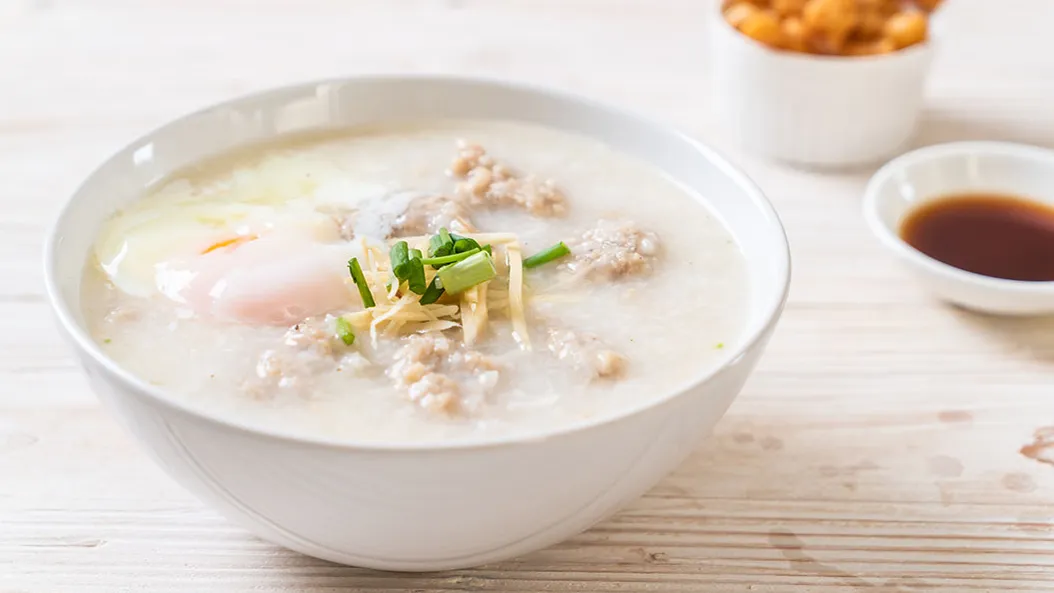
Chinese rice congee is perhaps the best-known example: the rice is cooked for hours until it transforms into a silky, almost soup-like texture. No resistance, no bite.
In Japan, silken tofu (kinugoshi) is considered a delicacy precisely because it is so delicate and melts away—similar in consistency to pudding.
Crisp and fresh
In many Asian dishes, raw or lightly cooked vegetables—such as fresh bean sprouts, blanched pak choi or raw cucumber strips—are used to add a crisp bite. This brings freshness and vitality to the palate.
Crispy and crunchy
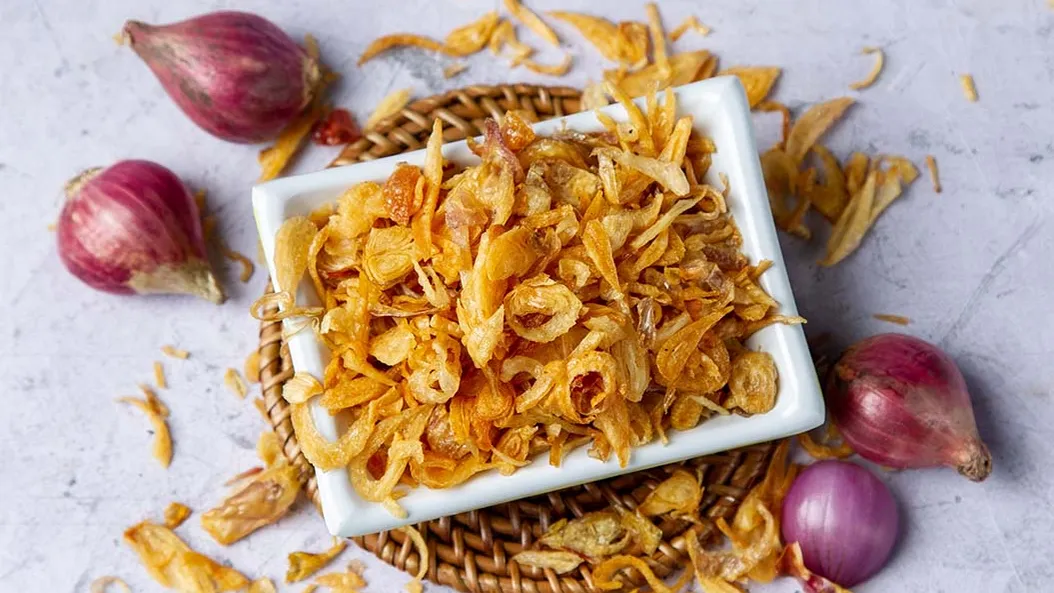
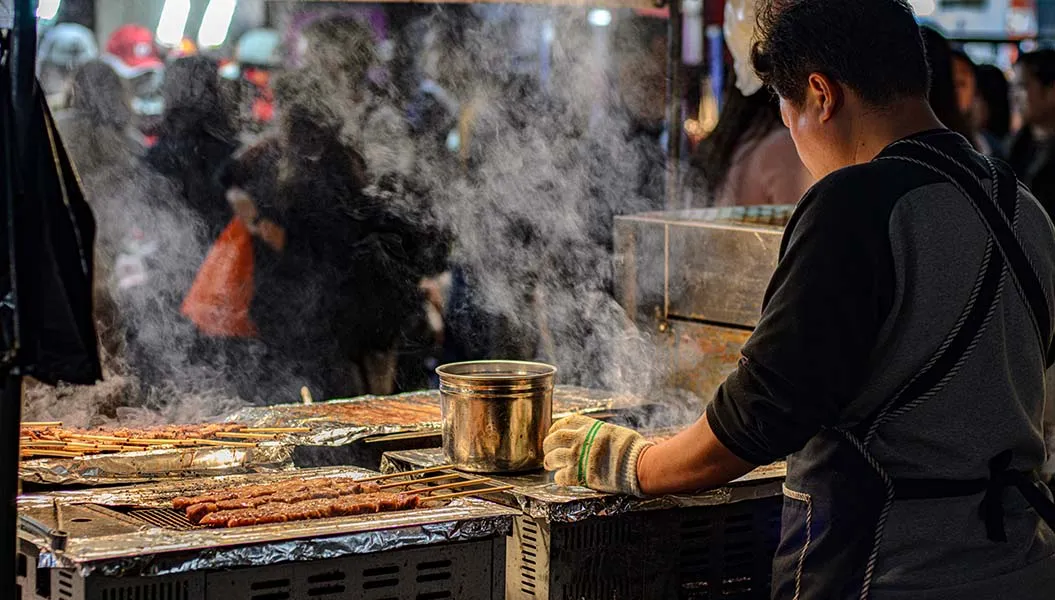
Fried shallots, tempura crumbs, prawn crackers or roasted peanuts: Asian cuisine embraces crunch at every turn, and for good reason. It creates an audible crunch (yes, that counts as part of our texture perception too!), provides contrast, and makes a dish altogether more satisfying. Many noodle dishes or soups only really come together with a crunchy topping.
Springy and chewy (in a good way)
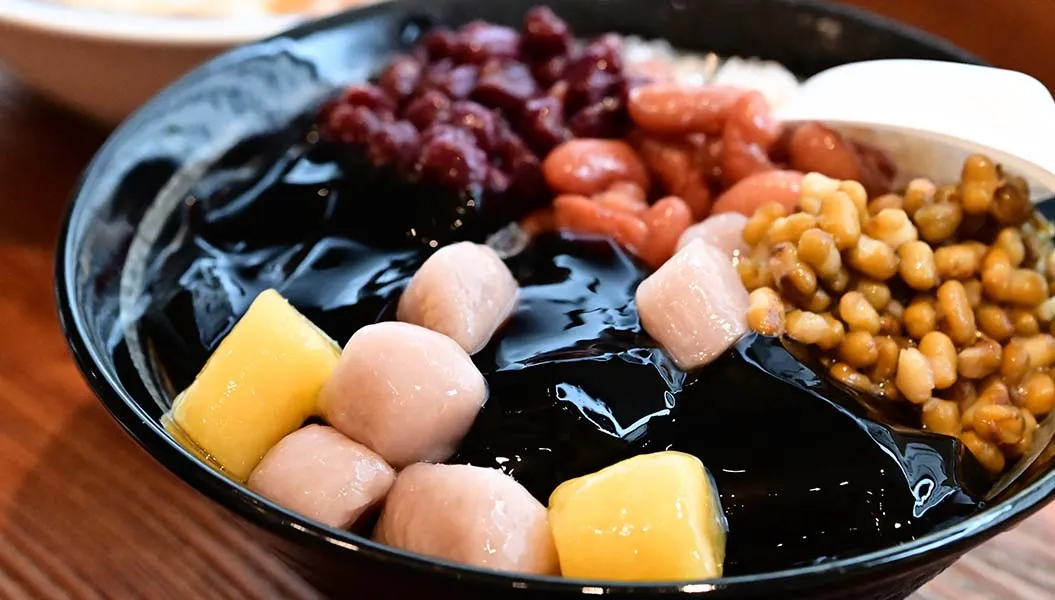
Chinese hand-pulled noodles, tapioca pearls in bubble tea or Korean tteok (rice cakes) have a bouncy, almost rubbery texture. And that's exactly why they're loved.
This texture is often described as "QQ", a term widely used in Taiwan and across parts of East Asia to describe foods with a pleasantly springy, chewy bite—a hallmark of quality.
Slippery and gelatinous
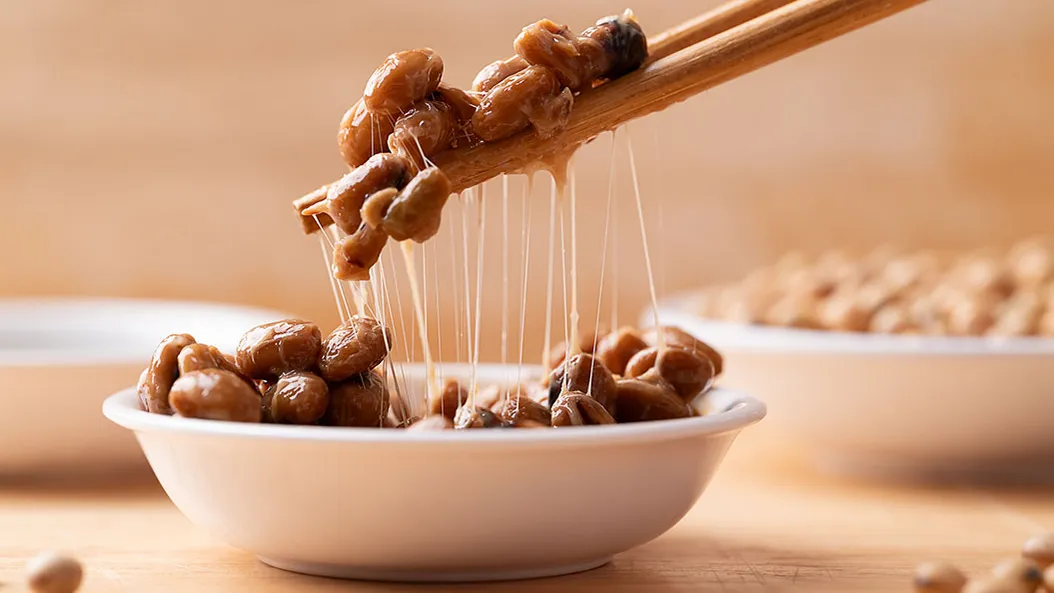
These are probably the textures that challenge Western palates the most—and yet the ones Asian cuisines have long treasured.
Okra, natto (fermented soybeans), konnyaku (konjac) and sea cucumber all have textures ranging from slippery to gelatinous—and it's precisely these qualities that Chinese and Japanese cuisine hold in such high regard.
They are associated with health and longevity, as collagen-rich foods are considered beneficial for the skin and joints. Don't be afraid to step outside your comfort zone—it could open up a whole new world of flavour for your menu!
Tips for combining textures in your restaurant
The basic principle sounds simple, but in practice it makes all the difference. Textures should complement, not mirror each other. That means: combine contrasts.
- Soft meets crisp: creamy peanut tofu rice with a fresh cucumber salad and fried spring onions. A classic combination that always works. Finish the cucumber salad with a splash of Kikkoman Soy Sauce.
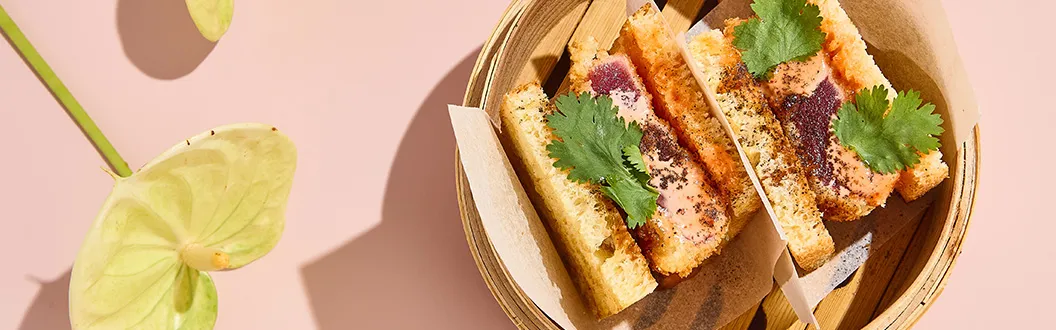
- Smooth meets crunchy: a velvety soup needs something with bite. Whether it's a piece of tempura, toasted seeds or a crouton—the creative possibilities are almost endless. Take your pick!
- Springy meets tender: udon noodles with soft, braised pork belly. The noodles have bite, the meat falls apart: contrast at its finest. Kikkoman Teriyaki Glaze complements the combination perfectly, adding extra gloss and flavour.
One more general tip: there's almost always a crunchy element missing.
That might sound provocative, but it's an honest observation from practice. Many dishes on Western menus lack a crispy element. In Asian cuisine, it's not an optional extra—it's an integral part of the dish.
The good news: it doesn't take much effort.
Practical ideas for adding more crunch to your dishes
- Serve prawn crackers as a side with curries or rice dishes
- Deep-fry one component of the dish and use it as a garnish (e.g. garlic, shallots, tofu cubes)
- Introduce toasted peanuts, sesame seeds, pumpkin seeds or other seeds as standard toppings
- Scatter crispy panko crumbs over soups or bowls
Texture experiments for your menu
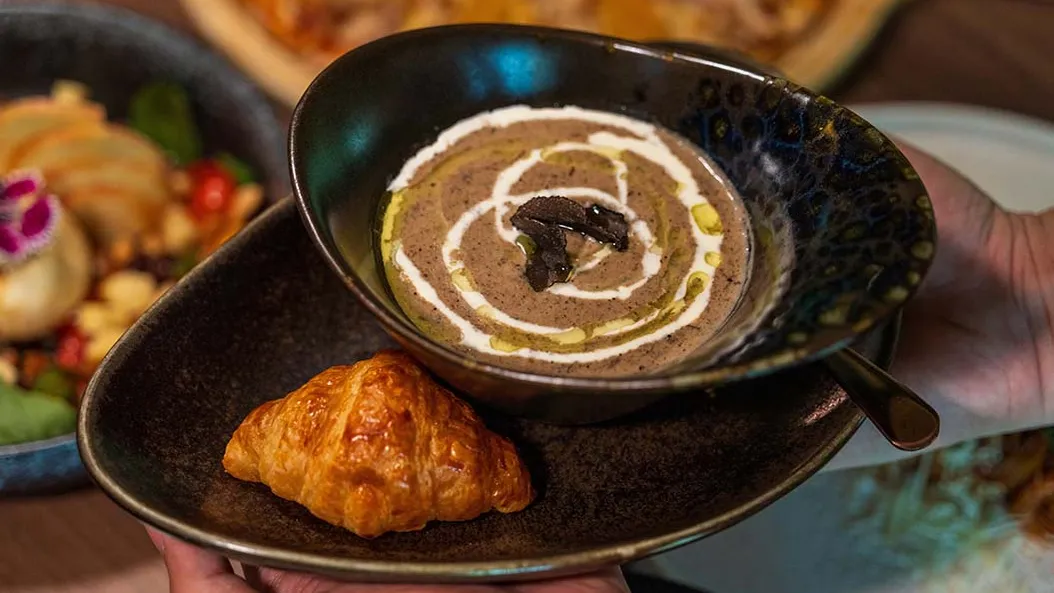
Sauces and marinades are key players when it comes to texture. The right combination of flavourful ingredients—such as Kikkoman sauces—and contrasting textures brings a new dimension to your menu.
- Crispy stir-fried vegetables & Kikkoman Ponzu Lemon
Stir-fried vegetables are all about their crisp bite and the characteristic wok hei—the lightly smoky quality of food cooked quickly at high heat. A final splash of Kikkoman Ponzu Lemon adds a fresh citrus note, giving the dish extra vibrancy while the acidity accentuates its crisp texture. The vegetables stay crisp, while the sauce lightly coats them and adds a glossy finish. A simple trick with a big impact.
- Puréed soup, Kikkoman Soy Sauce & crunch element
Puréed soups are inherently one-dimensional in texture—that's part of their comfort appeal, but also their biggest weakness. The solution: first, add another layer of flavour with a splash of Kikkoman Soy Sauce. Second, add a crunchy topping—toasted pumpkin seeds, sesame or fried shallots ensure the soup not only tastes good but stays interesting. Every spoonful becomes an experience.
- Fried food & thick dip
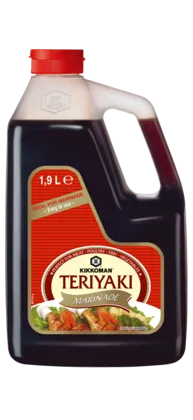
Fried food is crunchy—that's its whole point. And that's exactly why it needs a dip that isn't too thin: a watery sauce would instantly soften the crunch and undo the texture. What works far better is a thick dip that coats the fried food without making it soggy. Kikkoman Teriyaki Marinade or Kikkoman Kimchi Chili Sauce work particularly well: they have depth and a sweetness that contrasts nicely with the crispiness. The "crunchy outside, saucy coating" combination is one of the most satisfying texture contrasts on the plate.
Texture isn't a detail—it is the dish
Once you start thinking of texture as a design dimension in its own right, it changes the way you cook—and the way your guests eat! It's not about sourcing exotic ingredients or mastering complicated techniques, but about asking yourself one simple question the next time you create a dish: What's happening in the mouth? Is there enough variety? Is something crunchy missing? Would a creamy element work well here?
Asian cuisines have been answering these questions for centuries—and those principles translate beautifully to today's menus, whether you're cooking classic Asian dishes or drawing inspiration for modern fusion cuisine. Dare to experiment with texture. It's always worth it.